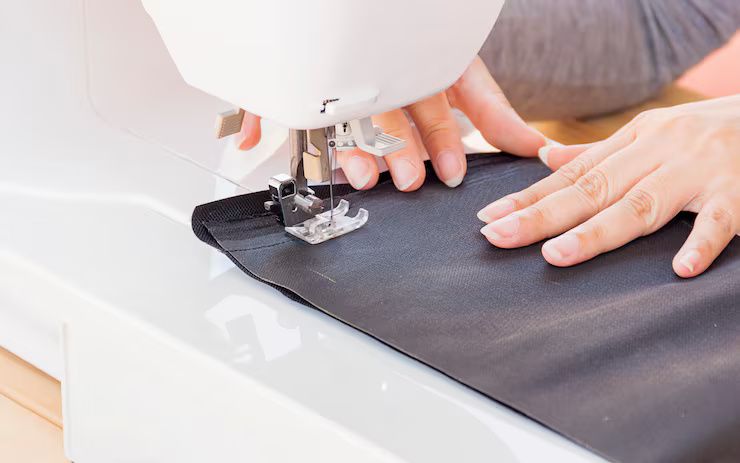
Fabric cutting machines are essential tools used in textile manufacturing to shape fabrics into precise patterns before sewing or assembly. They support both small-scale garment production and large industrial manufacturing operations
As textile manufacturing expanded globally, the need for accuracy, speed, and consistency created demand for specialized cutting technologies. This shifted production from manual labor to automated and semi-automated systems that handle different materials such as cotton, denim, polyester, wool, technical textiles, and multilayer composite fabrics.
Modern fabric cutting machines rely on precision equipment, CNC technology, industrial automation, and digital fabrication to produce consistent results. Their development reflects broader advancements in manufacturing technology and the rise of smart manufacturing environments.
Importance: Why Fabric Cutting Machines Matter Today
Fabric cutting machines play a significant role in the efficiency and quality of textile production. Their importance has increased with the growth of:
-
Fast-moving apparel manufacturing
-
Technical textile industries
-
Upholstery and home furnishing production
-
Automotive and aerospace textile applications
-
Small-scale and customized apparel businesses
These machines help address several key challenges:
Improving accuracy and consistency
Manual cutting can lead to unequal edges, material waste, and inconsistencies. Automated systems use sensors and software to deliver precision.
Enhancing production speed
High-volume operations rely on speed. Machines cut multiple layers at once and follow digital patterns rapidly.
Reducing material waste
More accurate cutting leads to optimized material usage, reducing fabric loss.
Supporting complex patterns
Advanced machines handle curved lines, fine details, and intricate shapes required in modern fashion and industrial textiles.
Boosting workplace safety
Automation reduces repetitive manual cutting tasks, lowering the risk of strain or injury.
The textile industry is increasingly integrating AI automation, machine monitoring, and industrial analytics to improve efficiency, making fabric cutting machines a central part of digital factory systems.
Recent Updates: Trends and Developments in 2024–2025
Fabric cutting technology continues to evolve. Several notable developments from the last year include:
Growth of digital and automated cutters (2024–2025)
Between early 2024 and late 2025, adoption of CNC and computer-guided systems increased significantly, especially in global apparel hubs such as India, Vietnam, China, Bangladesh, and Turkey.
AI-Based Pattern Optimization (2024)
AI-driven nesting software, introduced widely in 2024, helps arrange pattern pieces more efficiently, reducing fabric waste by up to 20%.
Laser-cutting advancements (2024–2025)
Laser cutting systems gained popularity for synthetic fabrics because they provide sealed edges, improved accuracy, and minimal fraying.
Sustainability-driven changes
Manufacturers are adopting electric and energy-efficient cutting systems aligned with global sustainability goals.
Integration with cloud and IoT
Machine data is increasingly monitored via cloud dashboards for maintenance planning and efficiency tracking.
These updates reflect how the textile industry is becoming more automated, precise, and environmentally conscious.
Laws or Policies: Regulations Affecting Fabric Cutting Machines
Fabric cutting machines operate within broader manufacturing and workplace guidelines. Although regulations differ by country, they typically cover:
Workplace Safety Standards
Most countries follow some form of manufacturing safety rules such as:
-
Machine guarding regulations
-
Emergency stop requirements
-
Operator training standards
-
Noise and dust control
In India, for example, the Factories Act and Occupational Safety, Health, and Working Conditions Code outline machine safety expectations.
Environmental and energy regulations
Cutting machines that involve laser systems may require compliance with smoke extraction, emissions standards, or optical safety rules.
Electrical and industrial compliance
Depending on the region, machines may need certifications such as:
-
CE (Europe)
-
ISO safety standards
-
BIS certification (India)
-
OSHA guidelines (U.S.)
These regulations ensure workplace safety and proper machine operation across textile industries.
Tools and Resources: Helpful Platforms and Software for Fabric Cutting
Below are resources related to pattern design, textile workflow, nesting optimization, and machine operation:
Pattern Design and Layout Tools
-
Optitex – digital pattern design and simulation
-
Gerber AccuMark – layout planning and pattern development
-
CLO 3D – 3D garment visualization
Nesting and Optimization Software
-
NestingWorks – efficient material utilization
-
TUKAcad – CAD pattern layout with automated optimization
Automation and Machinery Insights
-
Textile World – updates on manufacturing technology
-
Fibre2Fashion – industry reports and equipment trends
-
Techtextil resources – global textile technology exhibition releases
Training and Learning Platforms
-
YouTube technical channels for machine walkthroughs
-
Online CAD/CAM training courses related to textile engineering
-
Manufacturer documentation and digital manuals
Basic Machine Categories Table
| Machine Type | Typical Use | Key Advantage |
|---|---|---|
| Straight-knife cutter | Garment and textile layers | High versatility |
| Round-knife cutter | Home furnishings, apparel | Smooth curved cutting |
| Band-knife cutter | Complex shapes | Excellent precision |
| CNC cutter | Mass manufacturing | Computer-controlled accuracy |
| Laser cutter | Synthetics, technical textiles | Clean, sealed edges |
FAQs
What are fabric cutting machines used for?
They are used to cut textiles into precise shapes and patterns required for garments, upholstery, and industrial textiles.
Are automated cutters better than manual ones?
Automated systems provide greater accuracy, speed, and consistency, especially in high-volume production environments.
Can fabric cutting machines handle multiple materials?
Yes. Modern machines cut cotton, denim, polyester, wool, nylon, blended fabrics, and even composite materials.
Do fabric cutting machines reduce material waste?
Yes. Advanced machines use software to optimize layout, minimizing excess fabric.
Is specialized training required?
Operators usually need training to understand controls, safety features, and software used with automated systems.
Conclusion
Fabric cutting machines have become essential in modern manufacturing, supporting industries from fashion to technical textile production. Their evolution—from manual tools to sophisticated automated systems—reflects broader trends in industrial automation, precision machinery, and smart manufacturing.