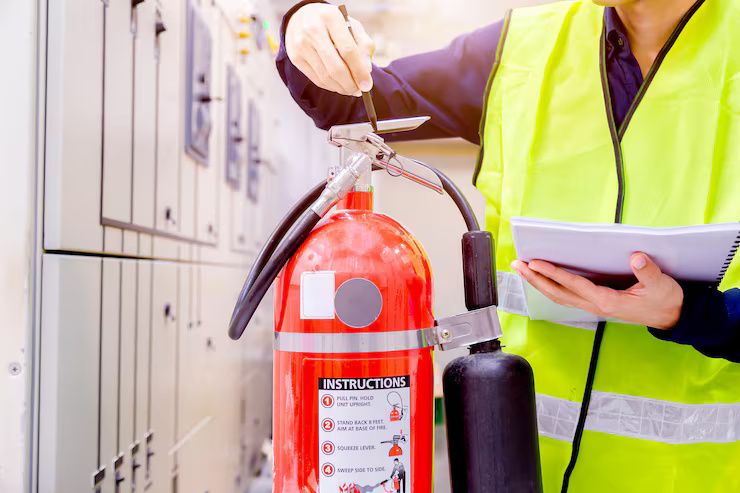
Fire protection and alarm systems are safety mechanisms designed to detect, control, and reduce the impact of fire in residential, commercial, and industrial buildings. These systems exist to minimize risk, protect life, and reduce property damage
As urban development grows and buildings become more complex, fire protection systems have evolved beyond simple smoke alarms. Today’s systems include interconnected sensors, intelligent panels, emergency communication tools, and real-time monitoring platforms. They function as part of a building’s overall safety infrastructure, ensuring that hazards are detected quickly and that occupants receive immediate alerts.
Importance
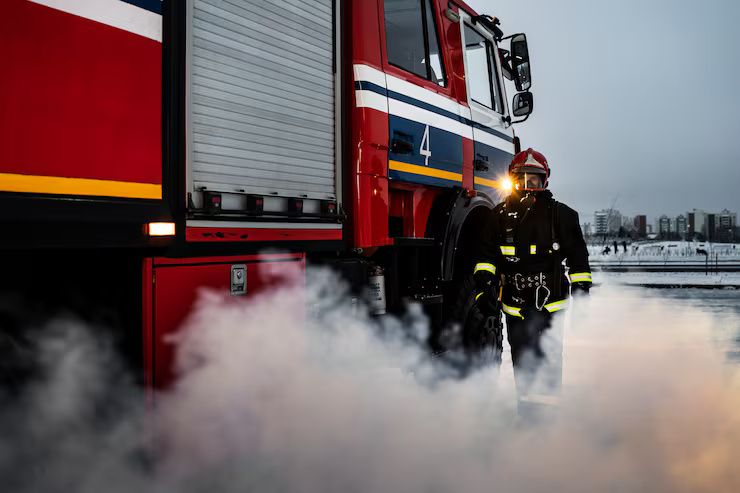
Fire protection systems play a crucial role in ensuring that buildings remain safe for occupants, workers, and visitors. They matter because they provide an effective way to manage unpredictable fire hazards.
Their importance includes:
-
Life Safety: Early detection and timely alarms reduce injury risk during emergencies.
-
Property Protection: Efficient suppression systems limit fire spread and help protect building structures and assets.
-
Operational Continuity: Businesses and building operations face fewer disruptions when fire incidents are controlled efficiently.
-
Risk Management: Fire safety infrastructure supports insurance compliance and reduces long-term liabilities.
-
Public Safety: In densely populated areas and high-rise buildings, comprehensive fire protection systems help safeguard entire communities.
These systems affect building owners, facility managers, residents, construction professionals, safety officers, and regulatory authorities. They solve problems related to delayed response, insufficient detection, communication failures, and manual monitoring gaps.
Recent Updates
The fire safety field has seen notable changes during the past year as new technologies and safety practices continue to shape building design and operation.
Recent developments include:
-
Growth of Smart Fire Detection (2024): Many modern systems now use AI-based sensors capable of distinguishing real fire signatures from false alarms such as steam or dust.
-
Increased Integration With Building Automation (2024): Fire alarms are increasingly connected with HVAC, access control, and communication systems to automate emergency actions.
-
Wireless Fire Alarm Adoption: Wireless detection has gained popularity for retrofit projects and large campuses due to easier installation and maintenance.
-
Focus on Sustainability: Manufacturers have been reducing the environmental impact of fire suppression agents and equipment, aligned with global sustainability commitments.
-
Stronger Safety Guidelines: Several countries updated building fire safety regulations in 2024 to improve compliance for high-rise structures, industrial facilities, and public-use buildings.
These updates reflect ongoing global efforts to strengthen fire safety frameworks and modernize infrastructure.
Laws or Policies
Fire protection systems are influenced by national building codes, safety regulations, and inspection requirements. Although these policies vary by country, several common themes shape fire safety guidelines:
-
Building Codes: Most countries mandate installation of fire detection, alarm systems, and emergency signaling devices in new buildings and major renovations.
-
Mandatory Inspections: Periodic safety audits ensure fire alarms, sprinklers, extinguishers, and emergency lighting remain functional and compliant.
-
Occupancy Regulations: Rules define the type of fire protection required depending on building use such as residential, commercial, industrial, or institutional.
-
Fire Safety Certifications: Authorities often require certified professionals or accredited contractors to install or maintain fire protection equipment.
-
Electronic Monitoring Requirements: New guidelines in many regions emphasize digital monitoring and remote supervision for improved reliability.
-
Special Provisions: Facilities such as hospitals, data centers, and hazardous environments must follow stricter fire safety specifications.
While the exact regulations differ, their purpose remains consistent—ensuring life safety, structural protection, and emergency readiness.
Tools and Resources
Several helpful tools, resources, and platforms support better understanding, monitoring, and planning of fire protection and alarm systems. These tools are aligned with high-value informational keywords such as “fire safety guide,” “alarm system insights,” “fire protection overview,” and “building safety resources.”
Educational Resources
-
Fire protection standards from national fire authorities
-
Online fire safety training modules
-
Building safety e-learning portals
-
Technical documentation libraries for fire detection technologies
Planning and Calculation Tools
-
Fire load calculators
-
Heat detector spacing calculators
-
Smoke detector placement planners
-
Fire suppression design templates
-
Building evacuation modeling tools
Digital Platforms and Apps
-
Fire inspection checklist apps
-
Digital building logbook platforms
-
Alarm monitoring dashboards
-
IoT-based fire system analytics tools
Reference Websites
-
Fire safety engineering forums
-
Standards and compliance portals
-
Architecture and building safety knowledge bases
These resources help facility managers, engineers, and occupants maintain a clearer understanding of system performance and compliance requirements.
FAQs
1. What is the difference between fire detection and fire suppression?
Fire detection identifies the presence of smoke, heat, or flames and triggers an alarm. Fire suppression actively controls and reduces a fire using mechanisms such as sprinklers, water mist, or clean agents.
2. How often should fire alarms be tested?
Fire alarm systems are typically tested monthly for basic functionality and inspected annually by qualified personnel, although regulations may vary depending on the country and building type.
3. Are wireless fire alarms reliable?
Modern wireless fire alarm systems use encrypted communication and battery-backed sensors, making them reliable for many building types. They are especially useful in older buildings where wiring is difficult.
4. What technologies are common in modern fire protection systems?
Current systems often use interconnected smoke detectors, multi-criteria sensors, alert panels, emergency speakers, and monitoring software that provides real-time data.
5. Who is responsible for maintaining fire protection systems?
Building owners and facility managers are typically responsible for regular inspections, maintenance, and record-keeping to ensure compliance with safety regulations.
Conclusion
Fire protection and alarm systems are essential components of modern building safety infrastructure. These systems provide early warnings, protect lives, and help reduce damage during emergencies. With continuous advancements in technology and stronger regulatory frameworks, buildings are becoming more resilient and better equipped to handle fire risks.