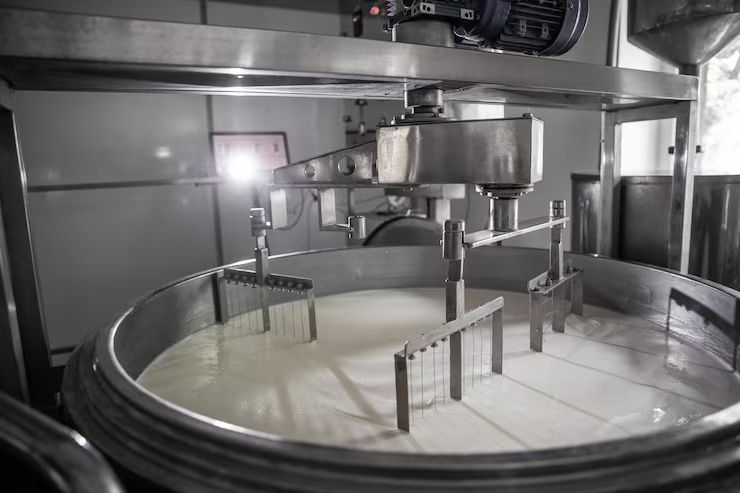
Milk pasteurization is the process of heating milk to a specific temperature for a defined period to eliminate harmful microorganisms while preserving its nutritional value. This method was developed in the 19th century by Louis Pasteur to reduce foodborne illnesses caused by raw milk
Dairy processing machines encompass a wide range of equipment used in the handling, processing, and packaging of milk and dairy products. These machines include pasteurizers, homogenizers, separators, creamers, evaporators, and packaging units. The rise of industrial dairy processing was driven by the need to meet growing consumer demand while maintaining hygiene and consistency.
Modern dairy processing systems integrate automation, precise temperature control, hygiene monitoring, and energy-efficient designs. They are essential in both large-scale dairy industries and smaller cooperative dairy facilities.
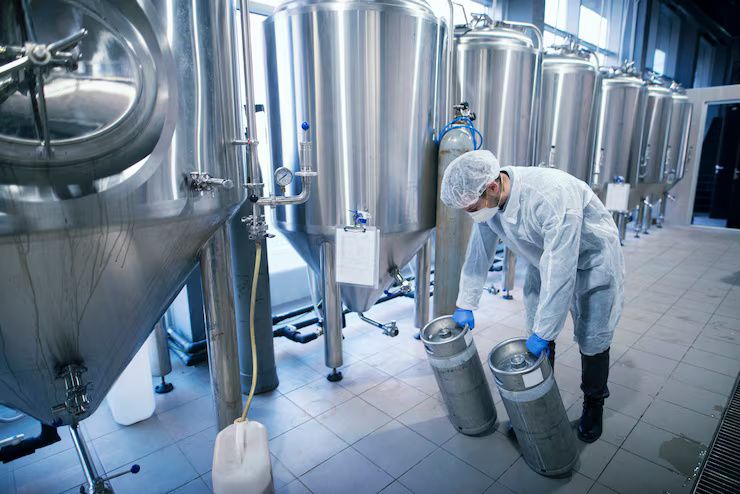
Importance of Milk Pasteurization and Dairy Processing
Milk pasteurization and advanced dairy processing machinery are crucial for multiple reasons:
Protecting Public Health
Pasteurization prevents illnesses caused by pathogenic bacteria such as Salmonella, Listeria, and E. coli. Safe milk consumption is vital, particularly for children, elderly, and immunocompromised individuals.
Ensuring Product Quality
Consistent pasteurization and processing improve shelf life, maintain taste, and ensure uniformity in dairy products such as milk, cheese, yogurt, and butter.
Supporting Industrial Efficiency
Automated machines enhance production speed, reduce human error, and enable consistent output while reducing waste and contamination risks.
Meeting Regulatory Standards
Adherence to hygiene and processing standards protects brands and ensures legal compliance.
Sustainability and Environmental Benefits
Modern equipment focuses on energy efficiency, water savings, and reduced chemical usage in cleaning-in-place (CIP) processes.
Recent Updates and Trends in Dairy Processing (2023–2024)
The dairy processing industry has seen several key developments over the past year:
-
Automation and IoT Integration: Many pasteurizers and processing lines now use sensors and digital dashboards to monitor temperature, flow rates, and microbial activity.
-
Energy-Efficient Heating Systems: Innovations in heat exchangers and regenerative pasteurization help reduce energy consumption by up to 30% in industrial setups.
-
UHT and High-Precision Pasteurization: Ultra-high temperature (UHT) systems are gaining traction for long-life milk products.
-
Smart Cleaning Technologies: CIP and automated sanitization reduce water and chemical use while improving hygiene.
-
Sustainable Practices: Growing awareness of environmental impact has led to more eco-friendly machine designs and reduced carbon footprints.
These trends reflect a global push for food safety, efficiency, and sustainability, aligning with modern high-value CPC topics such as dairy processing technology, pasteurization methods, and industrial dairy equipment.
Laws and Policies Affecting Milk Pasteurization and Dairy Equipment
Regulations govern milk processing to ensure consumer safety and industry standards. Some common frameworks include:
Food Safety Regulations
-
FDA Pasteurized Milk Ordinance (PMO) – USA: Defines pasteurization standards, microbial limits, and sanitation protocols.
-
European Union Hygiene Regulations: Require Hazard Analysis and Critical Control Points (HACCP) and strict traceability.
-
Codex Alimentarius – Global: International guidelines for dairy processing and hygiene.
Environmental and Waste Regulations
Many countries regulate energy use, water discharge, and chemical usage in dairy processing, ensuring equipment adheres to sustainability norms.
Industry Certifications
-
ISO 22000 – Food safety management systems
-
FSSC 22000 – Certification for dairy processing facilities
-
GMP – Good Manufacturing Practices in food and dairy production
Compliance ensures operational reliability, legal safety, and market trust.
Tools and Resources for Dairy Processing and Pasteurization
Several tools, apps, and resources assist in optimizing dairy operations:
Processing and Monitoring Tools
-
Digital temperature and flow sensors for pasteurizers
-
Automated CIP (cleaning-in-place) systems
-
Homogenizer calibration tools
-
Flow and pressure monitoring software
Educational and Reference Resources
-
Online guides for HACCP implementation
-
Dairy processing webinars and courses
-
Industry-specific regulatory databases
-
Dairy technology forums and knowledge hubs
Calculators and Templates
-
Milk yield tracking templates
-
Energy efficiency calculators for pasteurization
-
Production workflow optimization tools
These resources support best practices, efficiency, and compliance across modern dairy facilities.
FAQs About Milk Pasteurization and Dairy Processing Machines
What is the primary purpose of milk pasteurization?
The main goal is to eliminate harmful bacteria without affecting the nutritional value or taste of milk.
What types of pasteurization exist?
-
Low-Temperature Long-Time (LTLT): ~63°C for 30 minutes
-
High-Temperature Short-Time (HTST): ~72°C for 15 seconds
-
Ultra-High Temperature (UHT): 135–150°C for 2–5 seconds
Why is dairy equipment automation important?
Automation ensures precise control, reduces contamination risk, and increases production efficiency.
Which industries use pasteurized milk and dairy machines?
Food processing, beverage production, dairy farms, research labs, and hospitals all rely on industrial dairy equipment.
How are pasteurization and dairy standards monitored?
Through temperature logs, microbial testing, automated sensors, and compliance with local and international regulations.
Conclusion
Milk pasteurization and modern dairy processing machines are central to food safety, operational efficiency, and industrial sustainability. From LTLT and HTST pasteurizers to homogenizers and automated packaging systems, these machines ensure consistent quality, longer shelf life, and reduced contamination risk.
The industry continues to evolve with automation, digital monitoring, energy-efficient technologies, and eco-conscious equipment designs. Adherence to regulations and standards not only protects public health but also enhances operational reliability and market trust.