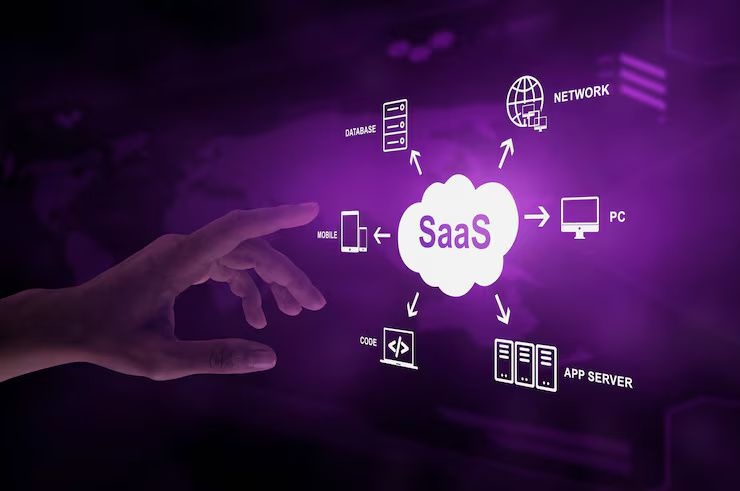
Software as a Service, commonly known as SaaS, refers to cloud-based applications delivered through the internet rather than installed on individual devices. It exists because organizations and individuals increasingly need flexible, scalable, and accessible software without long installation processes or hardware-specific limitations
The rise of high-speed networks, data centers, and virtualization technologies helped SaaS evolve from traditional on-premise software models. Over the past decade, the shift toward digital transformation, distributed teams, and mobile-first usage has further expanded its role.
Importance
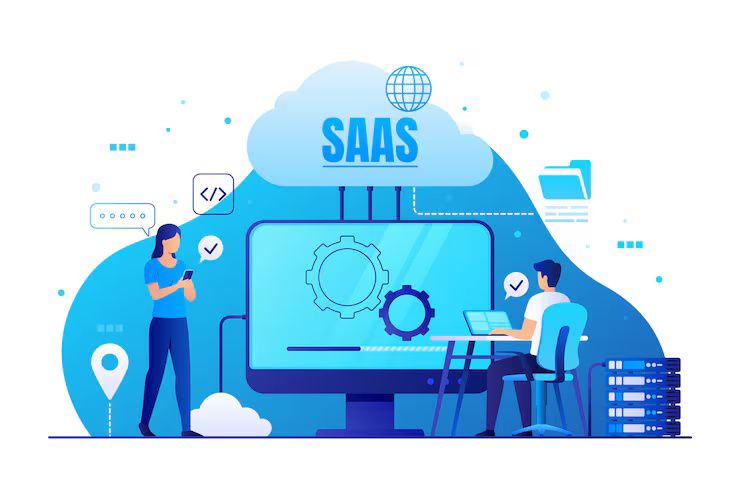
SaaS matters today because it supports a wide range of digital activities across sectors such as education, manufacturing, finance, and analytics. It affects individuals, small teams, and large organizations in several ways.
It helps solve problems such as:
-
The need for applications that work across multiple devices
-
Reduced dependence on hardware performance
-
Difficulty in maintaining software updates manually
-
Challenges in managing large volumes of data locally
-
The growing requirement for real-time collaboration
SaaS also enables faster deployment of digital tools and easier scalability during periods of rapid growth or changing usage patterns. With remote and hybrid work becoming common, cloud-driven platforms provide stability and continuity regardless of physical location.
Recent Updates
SaaS continues to evolve rapidly. Several developments from the past year highlight changes in technology, architecture, and user expectations.
Growth of AI-Integrated Platforms (2024–2025)
From early 2024 through mid-2025, many SaaS platforms began incorporating generative AI for workflow automation, predictive analytics, and intelligent recommendations. These updates focus on improved productivity and more intuitive user experiences.
Enhanced Data Privacy Controls (2024)
After multiple global data-handling guidelines were updated in 2024, SaaS providers improved encryption frameworks, user-consent features, and data-export transparency. These changes align with rising expectations for responsible digital operations.
Shift Toward Multi-Cloud Compatibility (Late 2024)
Organizations increasingly adopted multi-cloud strategies to reduce dependency on a single provider. By late 2024, many SaaS applications began supporting hybrid cloud and multi-cloud integration to offer more flexibility.
Low-Code and No-Code Expansion (2024–2025)
Platforms that allow users to build workflows or simple applications without deep technical knowledge became more prominent. This trend continued through 2025, supporting wider digital adoption across non-technical teams.
Focus on Energy-Efficient Cloud Infrastructure (2025)
In 2025, data centers introduced more energy-efficient architecture, green computing models, and improved resource-allocation algorithms. These updates influence how SaaS applications are hosted, aiming for lower environmental impact.
Laws or Policies
SaaS is influenced by several regulatory frameworks depending on the region. These laws govern data use, privacy protection, and security measures.
Data Protection Regulations
Many countries have introduced or strengthened data-privacy regulations that affect how SaaS platforms manage and store user information. Examples include:
-
India’s Digital Personal Data Protection Act (DPDPA) 2023, implemented in phases through 2024–2025
-
The General Data Protection Regulation (GDPR) in the European Union
-
The California Consumer Privacy Act (CCPA) in the United States
These laws focus on rights related to data access, consent, and lawful handling.
Cross-Border Data Transfer Policies
As SaaS applications often store data in remote servers, cross-border data transfer guidelines play an important role. Countries require that data be processed under secure conditions, and some specify where certain categories of information must be stored.
Cloud Security Standards
Government guidelines and industry standards such as ISO/IEC 27001, NIST frameworks, and national cybersecurity advisories influence how cloud-based applications ensure secure operations.
Sector-Specific Compliance
Some fields, such as finance, healthcare, and public infrastructure, have additional rules for data confidentiality and operational transparency. SaaS platforms that operate in these sectors must align with those frameworks.
Tools and Resources
A variety of tools support those working with or learning about SaaS technologies. These include platforms for automation, analytics, project collaboration, cybersecurity, testing, and cloud integration.
Useful Categories of Tools
Cloud Management Tools
-
Monitoring dashboards
-
Cloud resource allocation trackers
-
Access-control management platforms
Workflow and Collaboration Tools
-
Real-time editing platforms
-
Shared workspace applications
-
Project tracking systems
Analytics and Reporting Tools
-
Dashboard builders
-
Data visualization platforms
-
Performance-measurement software
Cybersecurity Tools
-
Identity and access management
-
Encryption libraries
-
Threat-monitoring dashboards
Developer and Integration Tools
-
API testing platforms
-
Version control systems
-
Low-code and automation builders
Table: Common SaaS Application Areas and Their Typical Uses
| Application Area | Typical Usage |
|---|---|
| Collaboration Platforms | Real-time teamwork, shared documents, communication |
| Analytics Platforms | Insights, dashboards, data exploration |
| Cloud Storage | File management, remote backups, cross-device access |
| CRM-Type Tools | Relationship tracking, workflow organization |
| Automation Platforms | Task automation, integration between multiple systems |
| Education Platforms | Online learning, digital classrooms |
Table: Key Advantages of SaaS Compared to Traditional Software
| Aspect | SaaS Model | Traditional Model |
|---|---|---|
| Accessibility | Browser-based, device-agnostic | Device-specific installation |
| Updates | Automatic | Manual |
| Scalability | Flexible and adjustable | Dependent on hardware capacity |
| Data Storage | Cloud-hosted | Local storage |
| Collaboration | Real-time | Limited |
FAQs
1. What makes SaaS different from other cloud models?
SaaS is a complete application delivered through the internet. Other models, such as IaaS or PaaS, focus on infrastructure or development platforms rather than ready-to-use applications.
2. Can SaaS be used on multiple devices?
Yes, SaaS applications typically work through web browsers or mobile apps, making them accessible across various devices without separate installations.
3. How is data protected in SaaS applications?
Data protection relies on encryption, access controls, compliance with regional regulations, and adherence to cybersecurity standards. Users often have options to manage permissions and data-sharing settings.
4. Does SaaS require technical expertise to use?
Most SaaS applications are designed to be user-friendly. The level of technical knowledge required varies depending on the complexity of the tasks being performed.
5. How does SaaS support remote work?
SaaS platforms operate through the internet, allowing users to collaborate, store files, and access information from any location with connectivity.
Conclusion
SaaS has become a central component of modern digital ecosystems. Its cloud-based architecture, accessibility, and adaptability enable individuals and organizations to use powerful applications without complex installation or device limitations. With ongoing advancements in AI, security, and multi-cloud integration, SaaS continues to evolve and support diverse digital needs. Regulations and data-protection laws play an important role in shaping responsible development and usage. By understanding the latest trends, tools, and resources, users can make informed choices about how SaaS fits into their daily activities and broader digital objectives.