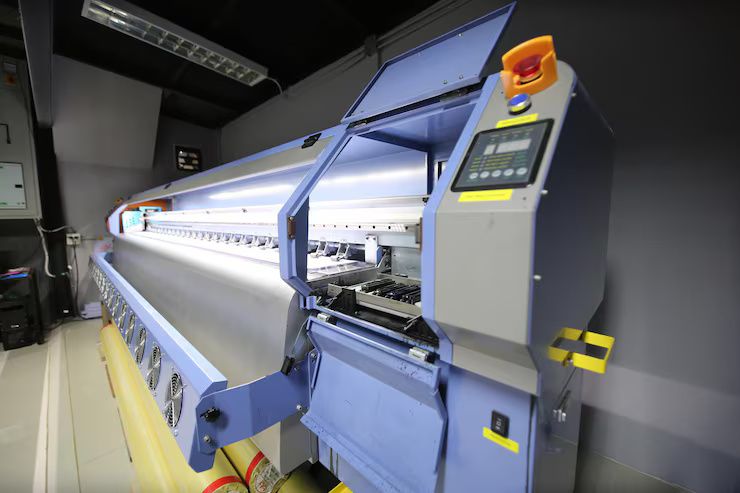
UV curing machines are industrial systems that use ultraviolet light to instantly harden or “cure” specially formulated adhesives, inks, coatings, and resins. Unlike traditional curing methods that rely on heat or long drying cycles, UV curing relies on photochemical reactions
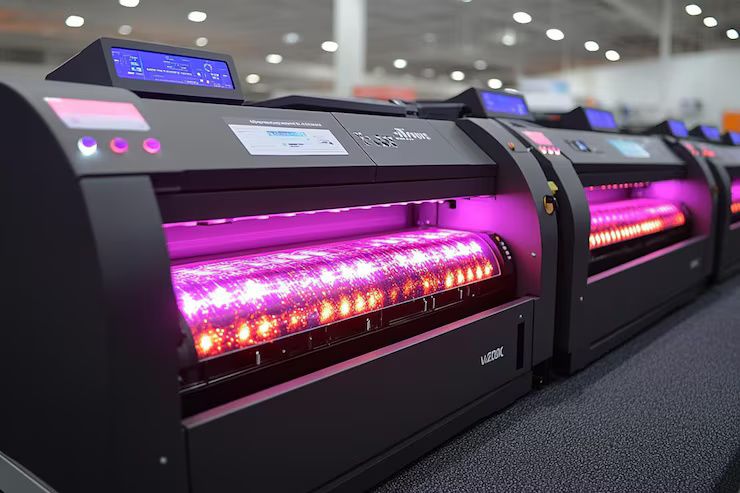
Modern UV curing machines include mercury lamps, LED UV systems, conveyor-based units, and spot-curing devices. Their design varies based on production requirements—some support small components, while others handle continuous large-scale operations.
As industries demand faster production, reduced energy consumption, and improved material performance, UV curing machines have become an essential part of advanced manufacturing workflows.
Importance — Why UV Curing Machines Matter Today
UV curing systems play a major role in industries focused on precision, surface durability, and rapid manufacturing cycles. They address several operational challenges that traditional curing methods struggle to meet.
Accelerated Production
UV curing technology significantly reduces drying or hardening time. Materials that previously required hours to cure can now be completed within seconds, increasing overall production efficiency.
Enhanced Material Performance
UV-cured products often exhibit:
-
improved hardness
-
better chemical resistance
-
superior surface finish
-
increased scratch resistance
This makes the technology suitable for applications like electronics coatings, automotive parts, and high-quality printed materials.
Energy Efficiency
UV curing machines consume less energy than thermal curing systems because they use controlled wavelengths rather than prolonged heating cycles.
Lower Surface Distortion
Since there is minimal heat involved, sensitive materials—such as plastics, films, and heat-sensitive substrates—benefit from UV curing without distortion.
Cleaner and Consistent Outputs
The controlled curing process leads to uniform coating thickness, minimal defects, and consistent quality, which are crucial for industries with high accuracy requirements.
Recent Updates — Trends and Developments in UV Curing (2024–2025)
Advancements in UV curing technology over the past year highlight a shift toward sustainability, precision, and digital integration. The table below summarizes key updates:
| Trend (2024–2025) | Description | Impact on Industry |
|---|---|---|
| LED UV Adoption | LED curing systems are replacing traditional mercury lamps | Lower energy use and longer equipment lifespan |
| Eco-Friendly Coatings | Growth of UV-curable formulations with reduced volatile emissions | Supports greener industrial processes |
| IoT-Enabled Systems | Machines equipped with sensors for monitoring curing intensity and lamp health | Improves accuracy and reduces downtime |
| Advanced Photoinitiators | New formulations ensure deeper and faster curing | Better performance for thick or layered coatings |
| Compact Desktop Units | Smaller machines for laboratories, prototyping, and small-scale manufacturing | Offers flexibility for R&D activities |
| Automation Integration | UV curing added to robotic lines and CNC workflow systems | Enhances precision and consistency |
Industries are increasingly adopting UV LED technology due to its longer operational life, lower heat emission, and reduced environmental impact.
Laws or Policies — Regulatory Framework for UV Curing Machines
While UV curing itself is not heavily regulated, several related standards ensure safe operation, worker protection, and environmental compliance.
Occupational Safety Guidelines
Regulations focus on UV exposure limits, protective eyewear, shielding enclosures, and machine interlock mechanisms. These protect workers from direct UV radiation and chemical interactions.
Environmental Standards
Regions follow rules that encourage the reduction of volatile emissions. UV curing supports compliance because UV-curable formulations typically have low or zero solvents.
Electrical and Equipment Standards
Manufacturers must follow guidelines related to:
-
electrical safety
-
machine labeling
-
hazard markings
-
enclosed lamp designs
These ensure safe machine installation and long-term reliability.
Waste Management Policies
Cured materials are generally stable, but residues, cleaning agents, and lamp components (especially mercury-based lamps) must be disposed of according to electronic waste management policies.
Industry-Specific Requirements
Certain sectors have additional rules—for example:
-
medical device manufacturing standards
-
electronics industry reliability guidelines
-
packaging hygiene requirements
UV curing systems help meet these policies by providing controlled and consistent curing results.
Tools and Resources — Helpful Options for UV Curing Operations
A range of tools support the use and optimization of UV curing machines, helping manufacturers monitor performance, improve curing accuracy, and plan workflows.
Monitoring and Measurement Tools
-
UV radiometers for measuring light intensity
-
Dosimeters for tracking cumulative UV exposure
-
Surface temperature meters for sensitive materials
-
Coating thickness gauges for quality checks
Digital Tools and Apps
-
UV intensity tracking apps
-
Production planning software
-
Machine maintenance schedule trackers
-
Material compatibility databases
These tools help operators maintain curing quality and detect issues early.
Reference Websites and Databases
-
Material safety and curing guidance platforms
-
Industrial UV curing research publications
-
Photopolymer formulation libraries
Templates and Checklists
-
daily lamp inspection sheets
-
coating preparation checklist
-
curing time reference charts
-
UV safety and PPE requirement lists
These resources promote consistency and safe operation.
FAQs — Common Questions About UV Curing Machines
1. What materials can be cured using UV curing machines?
UV curing works with inks, coatings, adhesives, resins, and varnishes that contain photoinitiators. These materials are specially designed to react to ultraviolet light.
2. How do LED UV curing systems differ from traditional UV lamps?
LED systems emit specific wavelengths, generate less heat, and have longer operational lifespans. They are more energy-efficient compared to mercury-based lamps.
3. Are UV curing machines safe to use?
Yes, when used with proper shielding, ventilation, and protective equipment. Modern machines include safety enclosures and interlocks to limit exposure.
4. What industries use UV curing the most?
Printing, electronics, automotive components, medical devices, packaging, and wood finishing rely heavily on UV curing processes.
5. How long does UV curing take?
Depending on material thickness and lamp intensity, curing can happen within seconds. LED systems provide fast, consistent curing for most applications.
Conclusion
UV curing machines play a central role in today’s manufacturing landscape by enabling rapid, efficient, and high-quality finishing of industrial products. Through photochemical reactions, these machines support applications ranging from printing and electronics to automotive parts and medical components.
Recent technological advancements—especially LED UV systems and IoT-enabled monitoring—have improved efficiency and reduced environmental impact. By following safety regulations, adopting digital tools, and aligning with modern material innovations, industries can optimize their curing processes for long-term reliability.