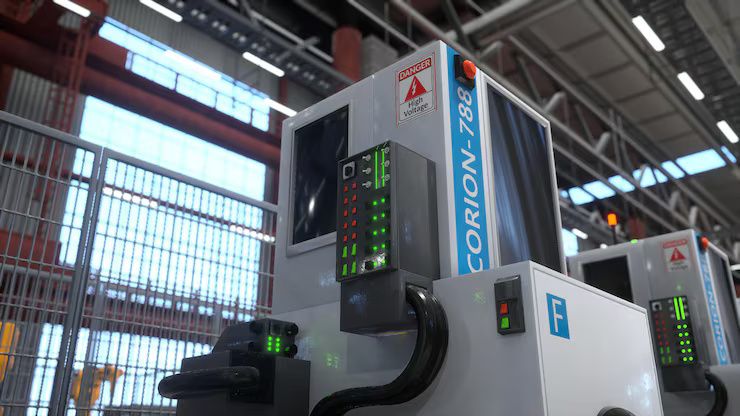
Industrial voltage stabilizers are electrical systems designed to maintain consistent voltage levels for machinery and equipment. They exist because industrial environments often face unpredictable fluctuations in electrical supply. These fluctuations can come from grid instability, heavy load variations, or equipment starting currents
Voltage stabilizers work through automatic voltage correction, monitoring input voltage, and making continuous adjustments. They use components such as servo motors, transformers, sensors, and microcontroller-based systems. Their role is aligned with broader goals of improving energy efficiency, reducing downtime, and supporting safe electrical operations.
Industries such as manufacturing, textiles, chemical plants, data centers, mining, packaging, and laboratories rely heavily on stable voltage conditions. That is why stabilizers are considered essential infrastructure in many facilities where power fluctuations are frequent or harmful.
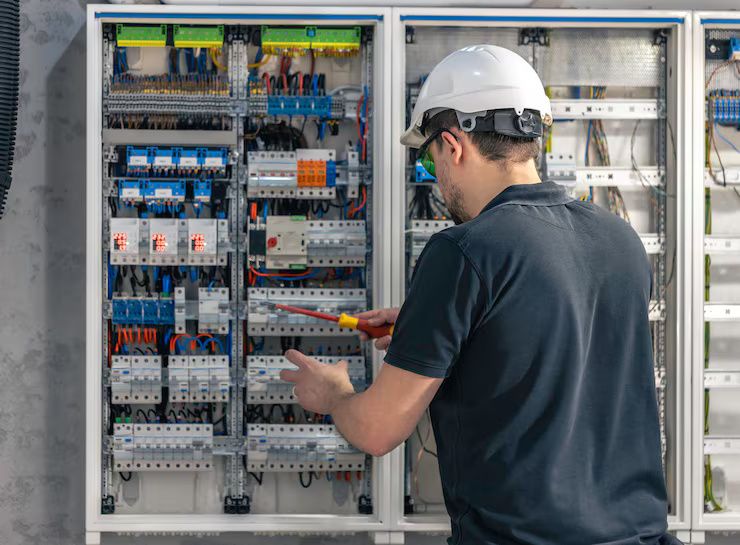
Why Industrial Voltage Stabilizers Matter Today
Industrial voltage stabilizers hold key importance because they directly influence equipment performance, automation reliability, and overall operational stability. As industries transition toward digital manufacturing and smart systems, electrical protection and power quality become more critical.
Fluctuating voltage can lead to several challenges:
-
Reduced life span of industrial motors
-
Malfunctioning of automation systems
-
Inconsistent heating, cooling, or control processes
-
Frequent equipment resets or downtime
-
Increased energy consumption
Consistent voltage delivery helps maintain the reliability of programmable logic controllers, robotics, industrial servers, and energy-intensive machinery. Modern industries also use stabilizers to avoid unscheduled production interruption, which can be costly in terms of time and productivity.
This topic matters to:
-
Manufacturing plant managers
-
Electrical engineers
-
Maintenance teams
-
Facility supervisors
-
Industrial automation specialists
-
Organizations using sensitive measurement devices
As industries become more dependent on digital equipment and smart machinery, voltage stabilization becomes a fundamental requirement. It helps safeguard investments in equipment, promotes safer operations, and extends the lifespan of electric systems.
Recent Updates and Trends in Voltage Stabilization (2023–2025)
Industrial voltage stabilization has evolved significantly in the past two years due to technological advancements, energy efficiency standards, and digital monitoring trends.
Key developments include:
Smart Monitoring & IoT Integration (2024–2025)
Many new stabilizers now include smart features such as real-time monitoring, data logging, and remote alerts. IoT-based power monitoring tools introduced in late 2024 allow facilities to track voltage health through cloud dashboards.
Growing Adoption of Servo and Static Stabilizers
Static stabilizers gained popularity in 2024 due to faster correction times and reduced mechanical wear. Servo stabilizers remain widely used for heavy industries requiring high accuracy.
Energy Efficiency Focus
Energy-efficient stabilizers became a central trend in 2023–2024, influenced by global sustainability goals. Industries are adopting stabilizers that reduce energy losses and improve overall electrical performance.
Improved Safety and Compliance Features
Manufacturers integrated advanced thermal protection, overload management, and fault diagnostics into stabilizers. These updates support compliance with industrial electrical safety guidelines.
Increased Use in Data Centers
Data centers expanded significantly during 2023–2025, increasing demand for regulated power systems to protect servers and cooling units.
These trends show a shift toward intelligent, energy-efficient, and digitally connected industrial power systems.
Regulations, Standards, and Policies Affecting Voltage Stabilizers
The use of industrial voltage stabilizers is influenced by several national and international guidelines designed to improve electrical safety and reliability.
While regulations vary by country, the most common frameworks include:
IEC Standards
-
IEC 60038 – Standard voltages
-
IEC 61000 – Electromagnetic compatibility
-
IEC 60204 – Machine electrical safety
-
IEC 62053 – Power monitoring equipment
These standards guide voltage levels, equipment behavior, and compatibility in industrial environments.
Energy Efficiency Policies
Many countries encourage the use of energy-efficient electrical equipment, including stabilizers. Government programs promote improved energy management and reduced electrical losses, especially in high-consumption industries.
Local Electrical Codes
Countries typically have national wiring regulations—such as IS/IEC standards in India, NEC regulations in the United States, and EN standards in Europe—that influence stabilizer installation, safety, and grounding requirements.
Power Quality Guidelines
Utilities often publish recommended power quality parameters related to voltage fluctuations, harmonic distortion, and frequency. Industries must keep power quality within these limits.
Environmental Policies
Some regions encourage the use of equipment designed with low energy waste and minimal environmental impact. Stabilizers with efficient transformers or static designs fit well into these programs.
Overall, industrial voltage stabilizers operate within a structured regulatory environment aimed at protecting equipment and ensuring reliable electrical performance.
Tools, Resources, and Helpful Platforms
Several tools and resources support better understanding, monitoring, and management of industrial voltage conditions. These tools offer guidance for power analysis, load monitoring, and system design.
Power Quality and Monitoring Tools
-
Industrial power monitoring software for voltage tracking
-
Harmonic analyzers for measuring distortion
-
Load calculators to estimate voltage correction needs
-
Energy dashboards for analyzing consumption trends
Technical Reference Websites
-
Platforms offering electrical engineering textbooks
-
Online voltage regulation calculators
-
Industrial electrical safety guides
-
Power quality research articles
-
Industry-standard parameter charts
Apps and Digital Tools
-
Electrical engineering mobile apps
-
Circuit analysis tools
-
IoT dashboards for stabilizer monitoring
-
Fault diagnosis applications
Templates and Documentation
-
Voltage stabilization requirement templates
-
Power load assessment forms
-
Maintenance checklists
-
Voltage log sheets
These tools help engineers, technicians, and facility managers better understand voltage behavior and choose appropriate control methods.
Frequently Asked Questions
What is the main purpose of an industrial voltage stabilizer?
Its purpose is to maintain stable voltage levels for industrial equipment. It prevents fluctuations from affecting machinery performance, power quality, and system reliability.
Where are voltage stabilizers used in industrial environments?
They are used in manufacturing plants, data centers, chemical facilities, food processing units, textile industries, laboratories, and any environment where stable voltage is essential.
What causes voltage fluctuations in industrial areas?
Common causes include grid instability, sudden load changes, motor starting currents, long cable distances, and transformer-related voltage drops.
What types of industrial stabilizers exist?
Common types include servo stabilizers, static stabilizers, digital stabilizers, and online voltage regulation systems. Each type supports different power loads and correction speeds.
How does voltage stabilization support energy efficiency?
Stable voltage reduces unnecessary power draw, prevents overheating, and helps equipment operate at optimal performance levels, supporting long-term energy management.
Conclusion
Industrial voltage stabilizers play an important role in maintaining power quality, supporting safe operations, and protecting industrial equipment from voltage fluctuations. As manufacturing and industrial processes become more automated, the demand for stable electrical conditions increases. Recent innovations show a clear shift toward energy-efficient systems, digital monitoring, and enhanced safety features.