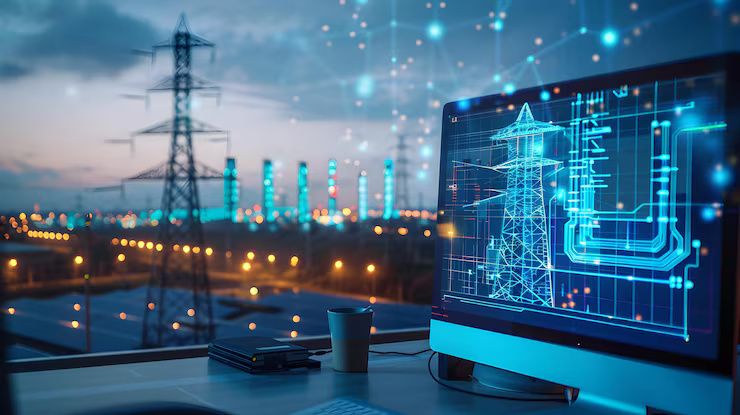
Smart grid energy systems refer to modern electricity networks that use digital communication, automation, and data analytics to manage the generation, transmission, distribution, and consumption of electricity more effectively. They exist to address the limitations of traditional power grids, which were designed primarily for one-way energy flow and limited real-time monitoring
smart grids combine electrical infrastructure with information and communication technologies. Sensors, smart meters, and control systems continuously collect and analyze data, allowing operators to respond quickly to changes in demand, detect faults, and optimize power flow across the network.
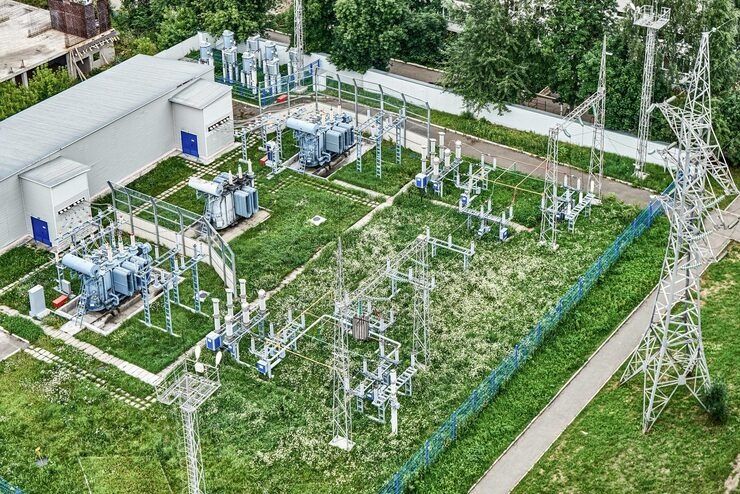
Why Smart Grid Energy Systems Matter Today
Smart grid energy systems are increasingly important due to global changes in energy production, consumption patterns, and environmental priorities. They play a key role in making power systems more reliable, efficient, and adaptable.
Key reasons smart grids matter include:
-
Integration of renewable energy: Smart grids support variable energy sources such as solar and wind by balancing supply and demand in real time.
-
Improved reliability: Advanced monitoring helps identify outages, equipment stress, and faults before they escalate.
-
Energy efficiency: Data-driven insights enable better demand forecasting and reduced energy losses.
-
Consumer participation: Smart meters and energy management systems allow users to understand and adjust their energy usage.
-
Resilience and security: Automated systems can isolate affected sections during disturbances, improving recovery times.
These systems affect utilities, industries, governments, and households by creating a more responsive and transparent energy ecosystem. They also address challenges such as grid congestion, aging infrastructure, and increasing peak demand.
Recent Updates and Trends in Smart Grid Technology
Over the past year, smart grid energy systems have continued to evolve, driven by digital innovation and sustainability goals.
Advanced metering infrastructure expansion (2024–2025)
Utilities in many regions expanded smart meter deployment to improve billing accuracy, outage detection, and consumption analysis.
Artificial intelligence and analytics (2024)
AI-based grid analytics gained wider adoption for load forecasting, fault prediction, and energy optimization. These tools help operators process large volumes of grid data more effectively.
Cybersecurity focus (2024–2025)
With increased digitization, smart grid security became a priority. Utilities introduced stronger encryption, network monitoring, and risk assessment frameworks.
Electric vehicle integration (2025)
The growth of electric vehicles led to new smart charging strategies that balance grid load and prevent local network stress.
Decentralized energy resources (2024–2025)
Smart grids increasingly support distributed generation, including rooftop solar, battery storage, and microgrids, enabling localized energy management.
These trends highlight the transition toward more intelligent, adaptive, and data-driven power systems.
Laws, Policies, and Regulatory Frameworks
Smart grid energy systems are influenced by national and regional policies aimed at improving energy security, sustainability, and infrastructure resilience.
Energy transition policies
Many governments promote smart grid adoption as part of renewable energy and carbon reduction strategies. These policies encourage modernization of power networks.
Grid standards and interoperability rules
Regulations often define technical standards to ensure compatibility between equipment, communication protocols, and data systems.
Data protection and privacy regulations
Smart meters and monitoring systems collect usage data, making compliance with data privacy laws essential.
Grid reliability and safety regulations
Utilities must meet performance and safety benchmarks related to outage duration, voltage quality, and system resilience.
Public infrastructure programs
Some countries support smart grid projects through public funding, pilot programs, and research initiatives to modernize aging power systems.
Understanding these frameworks helps stakeholders align technology deployment with legal and operational requirements.
Tools and Resources Related to Smart Grids
A wide range of tools and resources support learning, planning, and managing smart grid energy systems.
Grid monitoring and control tools
-
Supervisory control and data acquisition (SCADA) systems
-
Real-time grid visualization dashboards
-
Fault detection and isolation software
Energy management and analytics platforms
-
Load forecasting and demand response tools
-
Energy consumption analytics systems
-
Grid performance reporting solutions
Planning and simulation resources
-
Power system modeling software
-
Renewable integration simulation tools
-
Grid capacity planning calculators
Educational and reference resources
-
International energy agency publications
-
Utility best practice guidelines
-
Technical standards documentation
Example Table: Key Smart Grid Components and Functions
| Component | Primary Function | Role in Smart Grid |
|---|---|---|
| Smart Meters | Measure real-time energy use | Enable two-way communication |
| Sensors | Monitor grid conditions | Detect faults and stress |
| Control Systems | Automate grid operations | Improve reliability |
| Energy Storage | Balance supply and demand | Support renewables |
| Analytics Platforms | Analyze grid data | Optimize performance |
Frequently Asked Questions About Smart Grid Energy Systems
What makes a grid “smart” compared to a traditional grid?
A smart grid uses digital communication, sensors, and automation to monitor and manage electricity flow in real time, unlike traditional one-way systems.
How do smart grids support renewable energy sources?
They balance variable generation by adjusting supply and demand dynamically and integrating storage and distributed energy resources.
Do smart grids affect household energy usage?
They provide users with detailed consumption data, helping households understand patterns and improve energy efficiency.
Are smart grids more secure than traditional grids?
They include advanced monitoring and control features, but they also require strong cybersecurity measures due to increased connectivity.
Can smart grids reduce power outages?
Yes. Automated fault detection and isolation help reduce outage duration and improve recovery times.
Conclusion
Smart grid energy systems represent a significant evolution in how electricity networks operate. By combining power infrastructure with digital intelligence, they address modern challenges such as renewable integration, reliability, and efficiency. These systems exist to make energy distribution more adaptable, transparent, and resilient in a rapidly changing world.