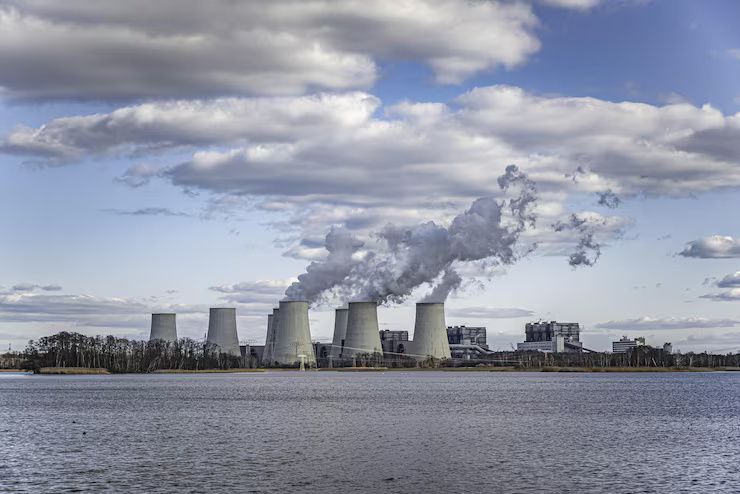
Cooling towers are a central part of many thermal management systems, helping facilities control heat generated during mechanical and industrial operations. They exist to maintain stable temperatures, improve equipment performance, and support large-scale processes that rely on continuous heat rejection
Cooling towers work by moving warm water through a system where air interacts with it, causing some water to evaporate and carry heat away. This principle supports many fields that depend on stable thermal regulation.
Why Cooling Towers Matter
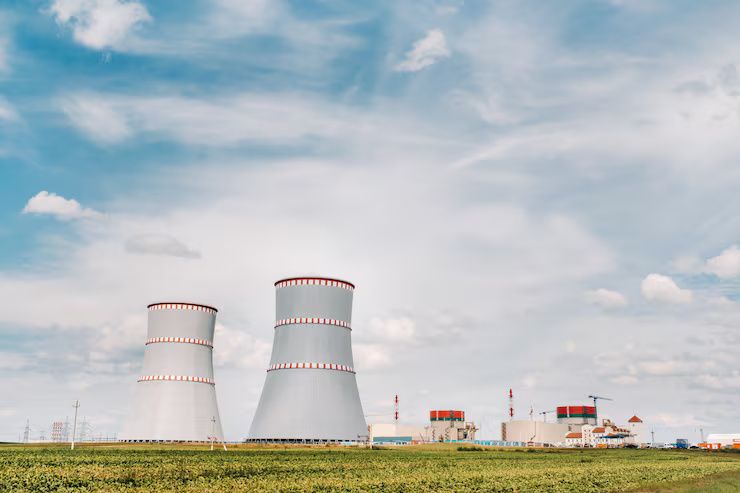
Cooling towers are important because heat management is a critical part of industrial and commercial operations. Without proper heat rejection, many systems can lose stability or face downtime. Cooling towers help prevent these issues by enabling steady temperature control.
They affect a wide range of sectors including:
-
Power generation, where thermal loads are high
-
Manufacturing plants, which rely on industrial cooling systems
-
Data centers, where cooling is needed for electronic equipment
-
Large buildings, using HVAC cooling infrastructure
-
Chemical and petrochemical facilities, which require precise process temperatures
Cooling towers help reduce strain on equipment, support energy-efficient cooling solutions, and assist in maintaining safe operating conditions. They also contribute to sustainability strategies by reducing water and energy consumption when designed and maintained properly.
Recent Updates and Trends
Cooling tower technology has advanced significantly in the last year, especially with the rise of digital monitoring and thermal optimization tools.
Key trends from 2023–2024 include:
Adoption of intelligent monitoring systems
Many facilities now use IoT-enabled thermal sensors, cloud-based analytics, and real-time performance dashboards to track temperature, airflow, and water flow more accurately. These tools help predict potential issues early.
Shift toward energy-efficient cooling systems
Modern systems aim to reduce energy usage through improved airflow design, variable-speed fans, and better heat rejection technology.
Increased focus on water management
With growing environmental awareness, industries are adopting technologies like drift reduction components, smart water distribution, and evaporative cooling optimization.
Use of advanced materials
Corrosion-resistant materials and stronger structural components have become common to improve durability.
Heat recovery systems
Some facilities are exploring ways to reuse thermal energy rather than release it, improving overall sustainability.
Recent reports from early 2024 highlight expanded investments in cooling tower upgrades in power, HVAC, and manufacturing sectors due to stricter performance standards and higher industrial workloads.
Laws and Policies Affecting Cooling Towers
Cooling towers are influenced by government regulations and environmental guidelines across several countries. These rules are in place to maintain water quality, prevent contamination, and reduce environmental impact.
Common policy areas include:
Water quality standards
Many regions require periodic inspection to prevent microbial growth and ensure safe operation. Regulations often include monitoring of drift emissions and water treatment practices.
Energy performance guidelines
Agencies encourage the use of energy-efficient cooling systems to lower overall consumption. Some governments offer incentive programs for adopting low-energy thermal management solutions.
Environmental discharge rules
Cooling towers must follow guidelines on how evaporated water or blowdown water interacts with air and soil. Limits are placed to avoid environmental stress.
Noise regulations
Urban areas may implement noise-control guidelines for large cooling installations to ensure community comfort.
Safety compliance
Cooling towers in industrial settings must follow structural and mechanical safety requirements, ensuring they can withstand operational loads.
These policies reinforce safe operation, environmental responsibility, and sustainable industrial temperature regulation.
Tools and Resources
Many tools, apps, and online systems help people better understand cooling tower design, performance, and maintenance needs. These resources support learning, analysis, and planning.
Useful tools and platforms:
-
Cooling tower selection software
Helps compare models and understand heat rejection capacity. -
Thermal load calculators
Useful for estimating required cooling capacity. -
Airflow analysis tools
Support designing more efficient cooling systems. -
Water management tools
Track water flow, evaporation, and recirculation. -
IoT monitoring platforms
Provide real-time data on temperature, efficiency, and system performance. -
Environmental compliance checkers
Allow users to understand regulatory standards for cooling tower operations. -
Engineering reference websites
Provide technical information, charts, and guidelines.
These tools make it easier to understand cooling tower function and plan system improvements.
FAQs
What is the main purpose of a cooling tower?
The primary purpose is to remove heat from water that circulates through industrial or HVAC systems. It helps maintain stable temperatures and prevents overheating.
Where are cooling towers commonly used?
They are found in industries such as power generation, chemical processing, data centers, manufacturing, and large commercial buildings.
Do cooling towers help with energy efficiency?
Yes. Efficient heat rejection supports lower energy use, especially when combined with modern airflow technology and monitoring systems.
Are cooling towers environmentally friendly?
Cooling towers can be part of sustainable cooling strategies when they incorporate optimized water management, drift control, and energy-efficient thermal technology.
How often should a cooling tower be monitored?
Regular monitoring is recommended due to temperature variations, water flow changes, and environmental factors. Many facilities now use digital monitoring systems for continuous tracking.
Conclusion
Cooling towers continue to play a vital role in heat rejection across numerous industries. They support reliable operation by regulating temperature and ensuring systems remain stable. As technology advances, cooling towers are becoming more efficient through smart monitoring, improved materials, and better water management strategies. Environmental policies and energy guidelines are shaping newer designs, leading to more sustainable cooling solutions. With ongoing updates in thermal management technology, cooling towers remain an essential part of modern industrial and commercial infrastructure.