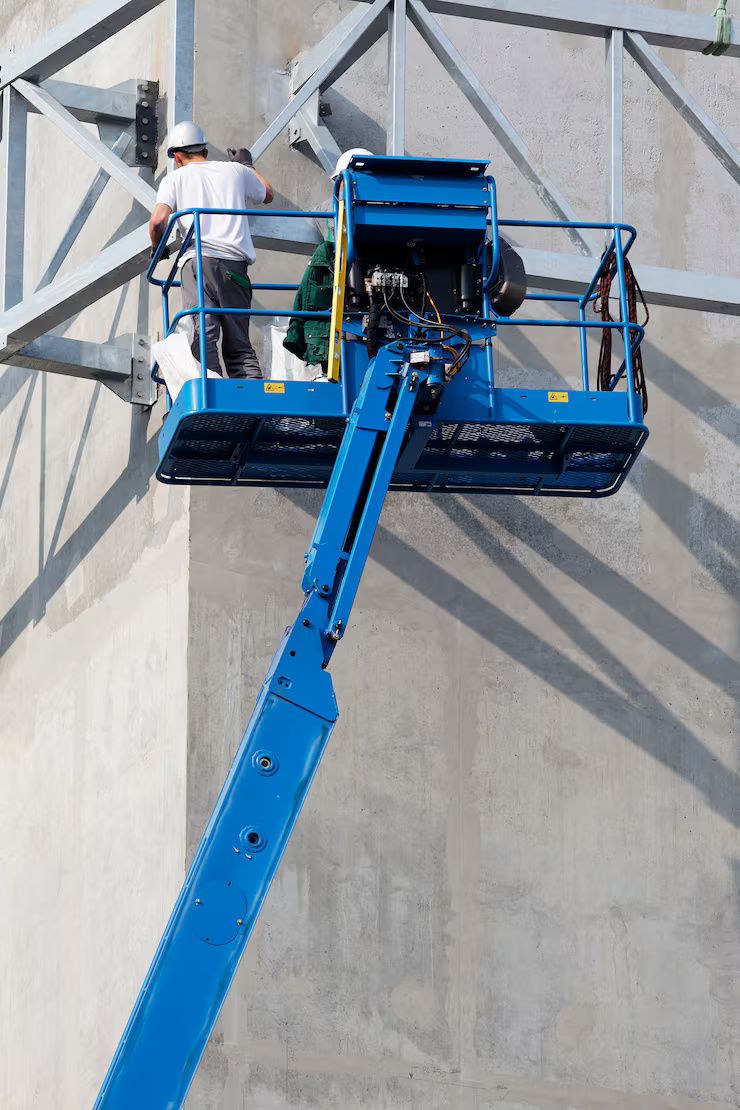
Lifting equipment refers to a wide range of industrial tools and mechanical systems designed to move, raise, or support loads. These machines exist because many industrial tasks require lifting objects that are too heavy, too awkward, or too risky for manual handling
Lifting equipment includes cranes, hoists, forklifts, scissor lifts, conveyors, load-handling attachments, hydraulic platforms, and many other solutions specifically developed for industrial environments. Each type serves a unique purpose—some for vertical lifting, others for horizontal movement, and many combining both.
Importance
Lifting equipment plays a vital role in modern industrial operations for several important reasons.
Enhances Workplace Safety
Mechanical lifting systems reduce injuries caused by manual lifting, repetitive strain, and overexertion. Workers benefit from safer handling methods, and workplaces reduce downtime caused by accidents.
Supports Efficient Operations
When heavy materials or large volumes must be moved, lifting machinery contributes to productivity by enabling quicker and more predictable workflows.
Improves Load Precision and Stability
Certain industrial environments require precise movement, such as handling delicate components or positioning equipment during assembly. Modern lifting systems support controlled operation, stable load management, and smooth transport.
Reduces Physical Stress
By handling weights that exceed human capability, these systems prevent fatigue-related errors and improve overall working conditions.
Supports Specialized Applications
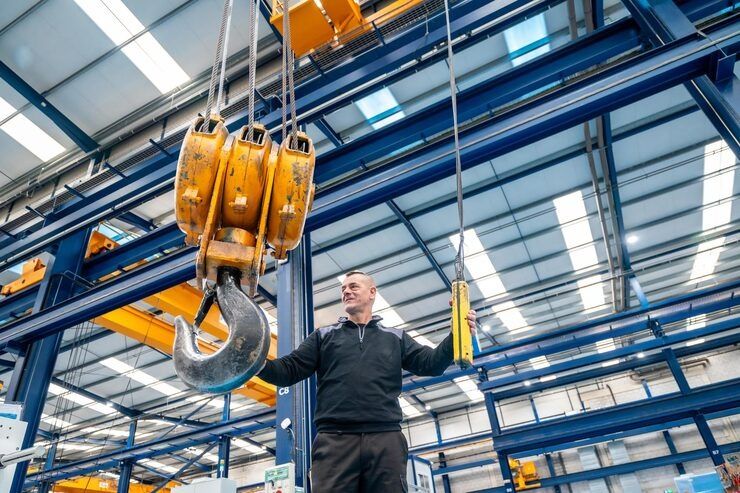
Different industries require specific lifting methods—construction needs large cranes, warehouses rely on forklifts, industrial plants depend on hoists, and maintenance operations often use portable lifting tools. Each setting is supported by lifting solutions tailored to its needs.
As industries grow more complex, lifting equipment has become an essential part of material management, workplace safety, and operational planning.
Recent Updates (2024–2025)
The lifting equipment field has experienced advancements involving automation, sustainability, design improvements, and intelligent monitoring systems.
Smart Sensors and Load Monitoring
New lifting devices include overload detection, angle sensors, and real-time alerts. These systems help ensure safe operations by providing immediate feedback on load conditions and movement.
Integration of IoT and Data Analytics
Digital systems now track equipment performance, maintenance schedules, and usage trends. Predictive insights help organizations avoid unexpected breakdowns and maintain safer handling environments.
Improved Ergonomic Designs
Manufacturers are focusing on ergonomic controls, adjustable operator platforms, and noise-reduction engineering to support comfort and reduce fatigue.
Battery and Electric Advancements
Electric lifting machines, especially for indoor or environmentally sensitive areas, have become more common. Improved battery systems support longer operation times and reduce emissions.
Automation and Remote Operation
Remote-controlled cranes, automated guided vehicles, and robotic lifting arms have expanded throughout warehouses and manufacturing environments. They reduce worker exposure to hazardous areas and increase operational precision.
Sustainable Materials and Engineering
Lightweight but durable materials are being used to design lifting equipment that requires less energy and supports sustainability goals.
These trends reflect a broader shift toward safer, smarter, and more efficient handling solutions across industries.
Laws or Policies
Lifting equipment is heavily influenced by regulations aimed at ensuring safe and standardized operations.
Workplace Safety Regulations
Many countries enforce strict safety guidelines that require equipment inspections, load testing, and operator training. These regulations aim to prevent accidents and ensure proper lifting practices.
Equipment Certification Standards
Industry standards define the design, testing, and operational requirements for lifting machinery. Certification helps confirm that equipment meets structural, mechanical, and operational guidelines for industrial use.
Load Management Rules
Regulations specify how loads must be secured, lifted, and transported. They also define maximum safe loads and environmental conditions under which equipment may operate.
Maintenance and Inspection Requirements
Periodic inspection is required to ensure that lifting equipment remains safe. Records must be kept to document maintenance, load assessments, and safety evaluations.
Environmental and Indoor Operation Guidelines
For equipment used indoors, such as forklifts or hoists, rules often address emission levels, noise limitations, and safe pathways. Electric and battery-powered solutions are frequently encouraged in enclosed environments.
These policies promote safety, consistency, and accountability in handling operations, especially in high-risk industrial settings.
Tools and Resources
Lifting equipment operators, supervisors, and planners use a variety of resources to improve safety, efficiency, and knowledge.
-
Load Calculation Tools
Useful for determining safe load capacities and selecting appropriate lifting devices. -
Inspection Checklists
Templates that guide daily or monthly evaluation of lifting machinery, ensuring compliance with required safety standards. -
Training Guides
Educational materials that explain equipment operation basics, safety protocols, and ergonomic practices. -
Digital Monitoring Systems
Software applications that track load movement, maintenance requirements, and equipment performance data. -
Risk Assessment Tools
Frameworks that help identify hazards, evaluate lifting plans, and implement improved safety measures. -
Material Handling Databases
Reference sources containing technical specifications of tools, lifting accessories, and load-handling devices.
These tools support organizations in planning, evaluating, and managing lifting operations efficiently and safely.
FAQs
What types of lifting equipment are commonly used in industry?
Common examples include cranes, forklifts, hoists, lifting platforms, scissor lifts, conveyors, jacks, and load-handling attachments. Each type serves specific tasks depending on the load and environment.
Why is lifting equipment important in industrial settings?
It helps reduce manual handling risks, supports efficient movement of materials, improves load stability, and contributes to safer and more organized work environments.
How often should lifting equipment be inspected?
Inspection frequency depends on regulations and usage intensity, but most industrial guidelines require routine checks before operation and periodic evaluations by qualified personnel.
What factors determine the right lifting device for a task?
The weight of the load, its dimensions, the movement direction, the environment, and the required precision all play important roles in determining the appropriate lifting equipment.
How do digital systems improve lifting operations?
Smart sensors and monitoring tools provide real-time data, detect overload conditions, support predictive maintenance, and enhance operational accuracy.
Conclusion
Lifting equipment plays an essential role in shaping modern industrial operations by supporting safe, efficient, and precise movement of materials. As industries grow more advanced, these tools continue to evolve with improvements in ergonomic design, energy efficiency, smart controls, and automated functions.
Regulatory standards ensure that lifting activities remain safe and consistent, while digital monitoring and training resources support ongoing improvement. Understanding the mechanics, functions, and applications of lifting equipment provides valuable insights into the broader field of industrial material handling and workplace safety.