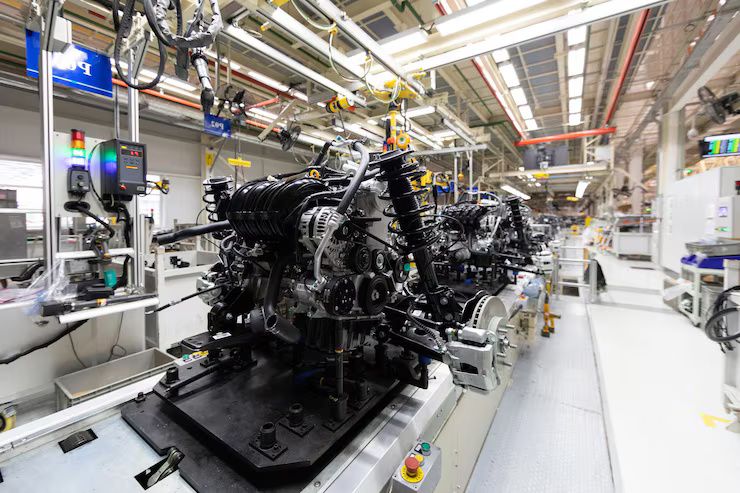
Electric motor manufacturing refers to the design, engineering, and production of motors that convert electrical energy into mechanical motion. These motors power countless machines and systems such as industrial automation equipment, HVAC systems, electric vehicles, robotics, pumps, and renewable energy technologies
The field has evolved significantly due to advancements in precision engineering, magnetic materials, CNC machining, and energy-efficient design practices. Modern electric motors exist because industries require reliable, efficient, and consistent power sources that support automation, mobility, and sustainable development.
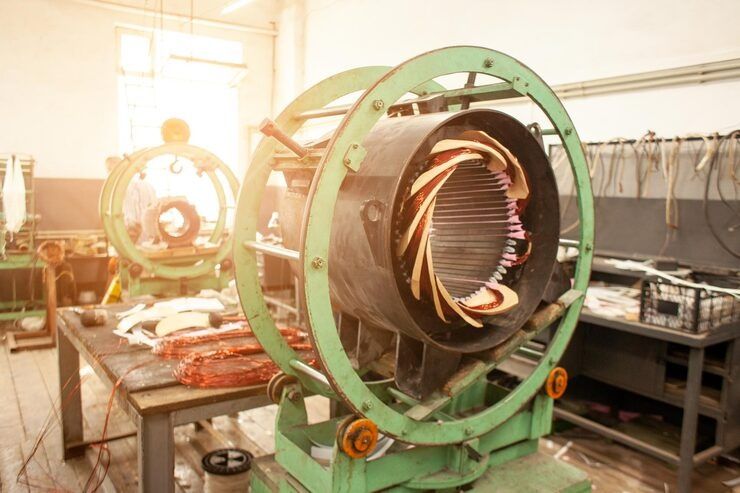
Importance: Why Electric Motor Manufacturing Matters
Electric motor manufacturing plays a central role in global industry and daily life. Nearly every sector relies on motors for productivity, mobility, and energy efficiency.
Why it matters today
-
Growth of electric mobility
Electric vehicles, electric scooters, and public transport systems depend heavily on high-efficiency motors. -
Industrial automation and robotics
Smart factories use motors in conveyors, robotic arms, and production lines to improve precision and consistency. -
Energy efficiency goals
Governments and industries promote high-efficiency motors to reduce energy consumption and support sustainability. -
Renewable energy integration
Wind turbines and solar tracking systems rely on motors engineered for reliability and long-term operation.
Who it affects
-
Manufacturers of machinery and industrial systems
-
Automotive and EV companies
-
Electrical engineers and R&D teams
-
Energy management professionals
-
End-users in residential and commercial applications
What problems it solves
-
Reduces energy loss through optimized motor efficiency
-
Supports automation to improve production output
-
Enables mobility solutions that reduce environmental impact
-
Improves operational reliability through precision engineering
Recent Updates: Trends and Industry Changes (2023–2024)
The past year has seen several important developments in electric motor manufacturing that influence design, production quality, and sustainability.
Key industry updates
-
Shift toward high-efficiency IE4 and IE5 motors (2023–2024)
Global industries are increasingly adopting “super-premium efficiency” motors, driven by energy-saving goals and updated standards. -
Growth in electrification for transportation (2024)
Electric motor demand increased due to EV production expansion in countries like the United States, Germany, India, and China. -
Advanced materials usage (2023–2024)
Rare-earth magnets, improved electrical insulation materials, and silicon steel laminations have enhanced durability and performance. -
AI-based predictive maintenance systems
Manufacturers have been integrating sensors and digital monitoring tools to track temperature, vibration, and torque for early fault detection. -
Automation of manufacturing facilities
CNC machining and robotic winding systems are now widely used to improve accuracy and reduce production time.
Laws or Policies: Regulations Affecting Electric Motor Manufacturing
Electric motor manufacturing is influenced by laws and standards that focus on efficiency, safety, energy use, and environmental impact. Although regulations vary by country, several common themes apply worldwide.
Important regulatory areas
-
Energy efficiency standards
-
IE3, IE4, and IE5 motor efficiency classes are required or recommended in many regions.
-
The U.S. Department of Energy and European Union Ecodesign rules emphasize reduced energy consumption.
-
-
Environmental compliance
-
Restrictions on hazardous materials, such as the EU’s RoHS regulation.
-
Waste Electrical and Electronic Equipment (WEEE) directives guide recycling and disposal.
-
-
Manufacturing quality standards
-
ISO 9001 for quality management
-
ISO 14001 for environmental management
-
ISO 50001 for energy management in industrial processes
-
-
Safety certifications
-
UL certifications for North America
-
CE marking for the European Union
-
BIS standards for India
-
These laws and policies ensure that electric motors meet safety, performance, and sustainability expectations.
Tools and Resources: Helpful Guides, Platforms, and Engineering Aids
Professionals in electric motor manufacturing benefit from tools, software, and online resources that support design, testing, and performance optimization.
Engineering software
-
ANSYS Maxwell – Electromagnetic simulation
-
MATLAB Simulink – Motor modeling and control analysis
-
SolidWorks Electrical – Mechanical and electrical design
Calculation and design tools
-
Motor efficiency calculators
-
Torque and power requirement calculators
-
Motor load assessment tools
-
Thermal analysis tools
Educational resources
-
Industry research portals such as IEEE Xplore
-
Technical standards libraries (ISO, IEC)
-
Material specification databases
-
Government energy-efficiency guidelines
Industry insights platforms
-
Digital manufacturing portals
-
Online knowledge hubs focused on industrial automation
-
Engineering community forums discussing motor diagnostics and maintenance
These tools support professionals with accurate data, simulations, and modern best practices.
FAQs: Common Questions about Electric Motor Manufacturing
1. What materials are used in electric motor manufacturing?
Electric motors typically use electrical steel laminations, copper windings, aluminum components, insulation materials, magnetic cores, and precision-machined components. Advanced motors may incorporate rare-earth magnets, composite insulation, or high-grade silicon steel.
2. What determines the efficiency of an electric motor?
Motor efficiency depends on magnetic material quality, winding configuration, rotor/stator design, air-gap optimization, and manufacturing precision. Compliance with IE3, IE4, or IE5 standards generally indicates higher efficiency.
3. How are electric motors tested before use?
Testing includes load testing, vibration analysis, noise measurement, insulation resistance testing, thermal performance checks, and torque evaluation. Modern facilities use automated diagnostic systems.
4. What industries rely the most on electric motors?
Industries such as automotive, renewable energy, manufacturing, HVAC, robotics, and transportation rely heavily on electric motors for daily operations.
5. How has technology improved electric motor manufacturing?
Advancements such as digital simulation tools, AI-based predictive maintenance, CNC machining, automated winding systems, and advanced magnetic materials have enhanced performance, consistency, and durability.
Conclusion
Electric motor manufacturing continues to grow in importance as industries aim for greater energy efficiency, automation, and sustainability. Modern technologies such as predictive maintenance systems, precision engineering tools, and advanced materials have transformed how motors are designed and produced. Changing regulations worldwide further encourage the development of high-efficiency motors that support both industrial productivity and environmental goals.