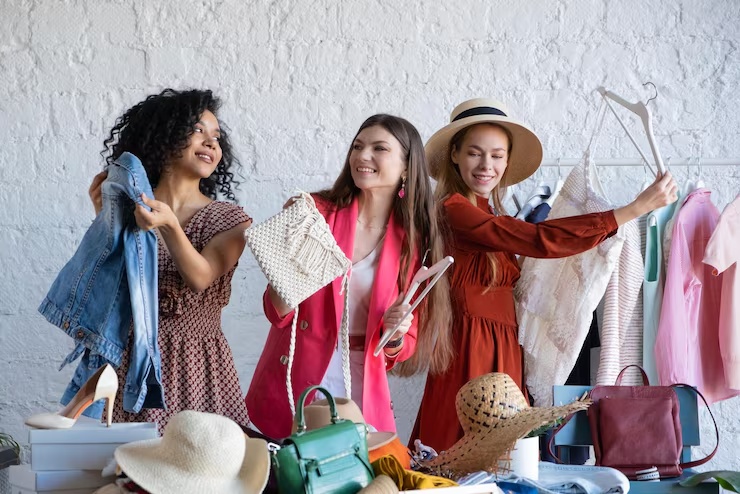
Women’s clothing trends refer to the recurring patterns, colors, cuts, fabrics, and styles that become popular in a particular time period. These trends shape how women dress across different cultures, regions, and lifestyles.
Fashion trends are influenced by multiple factors—runway collections, celebrity styles, social media, technology, cultural movements, and consumer behavior.Trends, therefore, exist as a dynamic interaction of art, identity, culture, and commerce—constantly evolving with social change.

Importance: Why Women’s Clothing Trends Matter
Who Is Affected
Consumers: Women use clothing trends to express personality, adapt to seasons, and stay updated with modern style.
Designers and Brands: They rely on trends to create collections that align with market expectations.
Manufacturers and Retailers: Production planning and marketing depend on trend cycles.
Textile Industry: New fabrics and finishes are developed in response to emerging styles.
Media and Influencers: Trends drive engagement, content creation, and public conversation.
What Problems They Address
Style Guidance: Trends help consumers choose clothing combinations that feel current.
Market Differentiation: Brands use trends to remain competitive.
Cultural Communication: Fashion trends act as non-verbal language for identity and belonging.
Sustainability Shift: Modern trends encourage long-lasting, eco-conscious designs.
Economic Activity: The fashion sector supports millions of jobs globally through its cyclical trend system.
Women’s clothing trends, therefore, influence not only how people dress but also how industries adapt and how cultures evolve.
Recent Updates: Evolving Women’s Clothing Trends (2024–2025)
The past year has seen a fusion of comfort, nostalgia, and innovation in women’s fashion. Key updates include:
Major Trend Highlights
| Trend | Description |
|---|---|
| Boho Reinvention | Light, flowy fabrics, lace, and earthy tones returning with modern minimalism. |
| Scarf Coats & Hybrid Outerwear | Outerwear with built-in scarf or wrap features for versatile styling. |
| Heritage & Country Looks | Classic patterns like plaid, tweed, and cable knit symbolizing timeless fashion. |
| Print Mixing | Combining stripes, florals, and animal prints for bold visual expression. |
| Y2K Revival | Micro minis, metallic fabrics, and nostalgic 2000s aesthetics returning. |
| Coquette Aesthetic | Soft femininity with bows, lace, ruffles, and pastel tones. |
| Indie Sleaze Revival | Edgy layering, grunge inspiration, and vintage band-style graphics. |
| Sustainable Fashion | Upcycling, slow fashion, and biodegradable fabrics gaining traction. |
| Tech-Integrated Clothing | Smart textiles and AI-assisted fashion design becoming more common. |
Seasonal Focus
Spring/Summer: Soft pastels, minimal tailoring, and floral prints remain dominant.
Autumn/Winter: Structured coats, knitwear layering, and muted earthy tones are key highlights.
Trans-Seasonal: Lightweight jackets, modular garments, and convertible outfits are trending due to climate-conscious consumers.
Laws and Policies Affecting Women’s Fashion
Fashion trends are shaped not only by creativity but also by legal and ethical frameworks.
The following areas influence how clothing trends evolve and are protected.
Intellectual Property and Design Rights
Copyright Protection: Original textile designs, prints, and patterns are protected as artistic works.
Design Registration: Unique garment shapes or surface designs can be registered for exclusive use.
Trademark Protection: Brand names, logos, and distinctive patterns are safeguarded to prevent imitation.
Patents in Fashion Tech: Innovative wearable technologies and smart fabrics can qualify for patents.
Labor and Sustainability Laws
Workplace Regulations: The fashion industry must adhere to fair labor practices, safe working conditions, and minimum wage laws.
Environmental Standards: Textile dyeing and finishing processes are regulated to reduce chemical waste and water pollution.
Ethical Manufacturing: Increasing focus on transparency, fair trade sourcing, and worker welfare.
Advertising Standards: Fashion marketing must avoid misleading or offensive representations, ensuring truthful and culturally appropriate promotion.
Consumer Protection
Online and offline retailers must clearly display product information, pricing, and return policies.
Consumer laws require accurate descriptions to prevent deceptive marketing—especially in e-commerce platforms.
Tools and Resources for Following Women’s Clothing Trends
Trend Tracking and Forecasting Tools
WGSN – Professional platform for global fashion forecasts.
Fashion Snoops – Provides reports on emerging colors, materials, and silhouettes.
Google Trends – Free tool to track keyword popularity over time.
Pinterest Trends – Useful for visual discovery of new outfit combinations.
Design and Visualization Software
Adobe Illustrator and Photoshop – Used for sketching and textile pattern design.
CLO 3D and Browzwear – Allow designers to create digital garment prototypes.
AI Style Tools – Suggest coordinated clothing sets based on texture and color compatibility.
Sustainability and Ethical Resources
Textile Exchange – Promotes environmentally responsible materials.
Fashion Revolution Movement – Encourages ethical production and fair labor.
Circular Fashion Apps – Platforms that allow reselling, recycling, and wardrobe swaps.
Business and Marketing Resources
Shopify / WooCommerce – E-commerce tools for online boutiques.
Google Analytics and SEMrush – For analyzing search behavior and trending fashion topics
Social Media Monitoring Tools – Help track influencer engagement and audience preferences.
These tools empower both consumers and professionals to stay informed, design responsibly, and understand how fashion evolves.
FAQs: Common Questions About Women’s Clothing Trends
1. How often do fashion trends change?
Most mainstream trends change seasonally—about twice a year. However, micro-trends may rise and fall every few months, driven by social media and influencer culture.
2. Are trends the same worldwide?
No. While global fashion weeks influence universal trends, local culture, climate, and traditions shape regional variations in style.
3. How can I follow trends sustainably?
Buy versatile clothing, invest in timeless pieces, reuse or upcycle garments, and prioritize ethical brands. Sustainable fashion blends style with responsibility.
4. Can traditional wear be trendy?
Absolutely. Fusion wear that blends traditional textiles with modern cuts is increasingly popular, especially in Asian and Middle Eastern fashion markets.
5. How do designers predict trends?
They analyze runway data, consumer insights, social media analytics, and global events. Forecasting agencies use technology and AI to identify upcoming colors and silhouettes.
Final Thought
Women’s clothing trends are more than temporary fashions—they mirror cultural change, environmental awareness, and technological innovation.Modern fashion is a balance between aesthetic expression and responsible design, encouraging individuals to express themselves confidently while respecting sustainability and diversity.