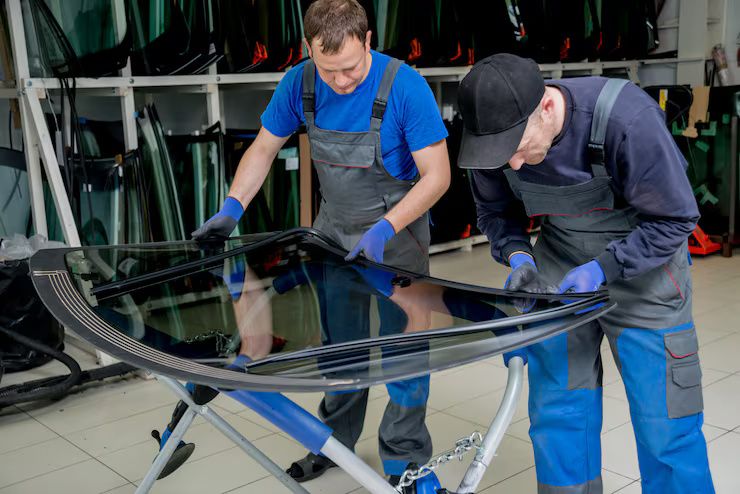
Glass cutting and fabrication involve transforming raw glass sheets into functional and decorative components for architectural, industrial, and artistic applications. These processes include cutting, shaping, edging, polishing, drilling, and tempering glass to meet design or structural requirements
The practice exists to create customized glass products such as windows, mirrors, partitions, tabletops, and panels used across residential, commercial, and automotive industries. With advances in technology, glass fabrication has evolved from manual cutting techniques to precision CNC and laser-guided systems, improving both accuracy and safety.
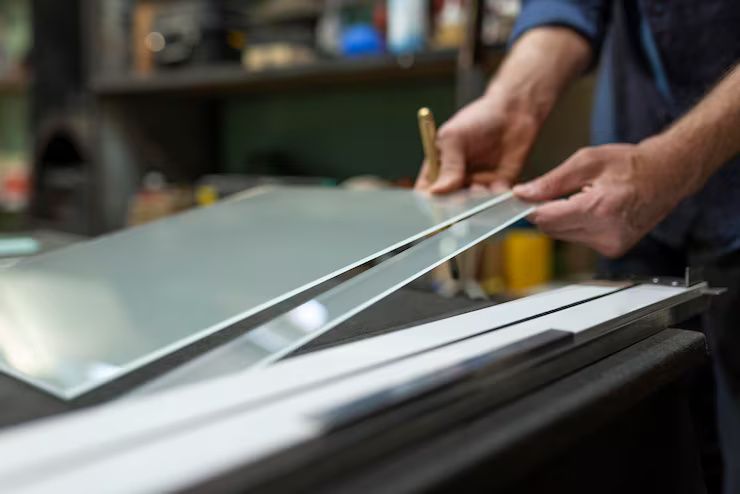
Why Glass Cutting and Fabrication Matter
Glass fabrication is essential to modern infrastructure, interior design, and renewable energy systems such as solar panels.
Its importance can be seen across several dimensions:
-
Architecture and Design: Enables the use of glass in facades, skylights, and interiors, balancing aesthetics with energy efficiency.
-
Safety and Strength: Fabrication methods such as lamination and tempering make glass more durable and shatter-resistant.
-
Energy Efficiency: Specialized coatings and glazing techniques help control heat transfer and reduce energy costs in buildings.
-
Sustainability: The industry increasingly focuses on recycling glass waste and adopting eco-friendly cutting fluids to minimize environmental impact.
Glass fabrication affects industries such as construction, automotive manufacturing, interior design, solar energy, and electronics, where precision and clarity are critical.
Recent Trends and Innovations in Glass Fabrication
The glass fabrication sector has seen rapid modernization driven by automation and sustainability goals.
Below are key updates and trends observed between 2024 and 2025:
| Trend/Innovation | Description | Impact |
|---|---|---|
| CNC and Laser Technology | Automated systems now allow ultra-precise cutting with minimal waste. | Enhances productivity and accuracy. |
| Smart Glass Development | Switchable glass that adjusts transparency via electrical signals. | Energy savings and design flexibility. |
| 3D Glass Printing | Emerging technology for complex shapes and rapid prototyping. | Expands design possibilities. |
| Sustainable Manufacturing | Adoption of water-based coolants and recycled glass materials. | Reduces carbon footprint. |
| Digital Fabrication Management | Software platforms integrate design, cutting, and quality control. | Improves workflow and traceability. |
In 2025, digital fabrication systems such as Autodesk GlassFab and Glasstec AI Tools have gained traction, allowing real-time monitoring and predictive maintenance in large facilities.
Policies and Safety Regulations
Glass cutting and fabrication are governed by strict safety and environmental standards. These vary by region, but some global and national frameworks guide the process:
-
Occupational Safety Standards: Regulations from OSHA (Occupational Safety and Health Administration) in the U.S. and ISO 23125:2015 internationally outline safety measures for machinery use and protective equipment.
-
Environmental Policies: Many countries follow EU REACH and RoHS directives to restrict hazardous substances in manufacturing.
-
Building Codes: Standards such as ASTM C1048 define the quality and strength requirements for architectural glass.
-
Indian Regulations: In India, BIS standards (IS 2553:2018) set specifications for safety glass used in buildings and vehicles.
-
Waste Management Rules: Encouragement for recycling glass scrap and minimizing water and chemical waste under environmental protection laws.
Compliance with these frameworks ensures safety for workers and end users while maintaining product quality and sustainability.
Techniques and Tools Used in Glass Fabrication
Cutting Techniques
-
Manual Scoring and Breaking – Using a tungsten carbide or diamond wheel to score and snap glass sheets along straight lines.
-
Waterjet Cutting – Employs a high-pressure jet of water mixed with abrasives to achieve complex shapes without heat distortion.
-
CNC Laser Cutting – Uses computer-guided lasers for intricate, precise cuts and minimal edge chipping.
-
Thermal Cutting – Involves localized heating and cooling to split glass smoothly.
Shaping and Finishing
-
Grinding and Polishing Machines: Refine edges for aesthetic and safety purposes.
-
Drilling and Notching Tools: Create openings or custom fittings in tempered glass.
-
Tempering Furnaces: Strengthen glass through controlled heating and rapid cooling.
-
Laminating Units: Bond multiple glass layers with interlayers for safety and insulation.
Fabrication Tool Examples
| Tool/Equipment | Function |
|---|---|
| Glass Cutter with Oil Feed | Smooth scoring and minimal friction |
| CNC Cutting Table | Automated precision cutting |
| Belt Grinder | Edge finishing |
| UV Bonding Lamp | Glass adhesion without mechanical fasteners |
| Tempering Oven | Strength enhancement |
Helpful Tools and Resources
Professionals and learners can explore these online and physical tools to enhance their understanding and practice:
-
AutoCAD Glass Design Software – Used for glass panel design and cut pattern optimization.
-
Glass Cutting Calculator (GlassCalc) – Helps determine cutting dimensions and waste ratios.
-
Glasstec International – Global exhibition and learning hub for glass technology advancements.
-
Glass Association of North America (GANA) – Offers research papers and safety guidelines.
-
Safety Data Sheets (SDS) – Provide information on handling lubricants, coolants, and adhesives safely.
-
YouTube Channels: GlassBuild Connect and Fabrication Forum offer tutorials on cutting, handling, and safety gear usage.
Frequently Asked Questions (FAQs)
1. What is the difference between tempered and laminated glass?
Tempered glass is heat-treated for strength and breaks into small blunt pieces, while laminated glass sandwiches a plastic interlayer between two sheets to prevent shattering.
2. Can glass be cut after it is tempered?
No. Once tempered, glass cannot be cut or drilled without breaking. All shaping and cutting must occur before the tempering process.
3. How do professionals prevent cracks during glass cutting?
They use proper scoring pressure, lubrication, and ensure clean, flat surfaces. Temperature control and edge grinding also reduce stress points.
4. What safety gear is necessary for glass fabrication?
Workers should wear safety glasses, gloves, cut-resistant sleeves, and protective footwear. Using vacuum lifters and proper storage racks reduces handling injuries.
5. Is glass fabrication environmentally sustainable?
Modern facilities recycle up to 90% of glass waste, reuse cutting fluids, and adopt low-emission furnaces, making the process more sustainable than in the past.
Conclusion
Glass cutting and fabrication combine science, precision, and artistry to produce functional, safe, and visually appealing products. With rapid advances in CNC automation, laser technology, and eco-friendly processes, the field continues to evolve toward smarter and more sustainable production.