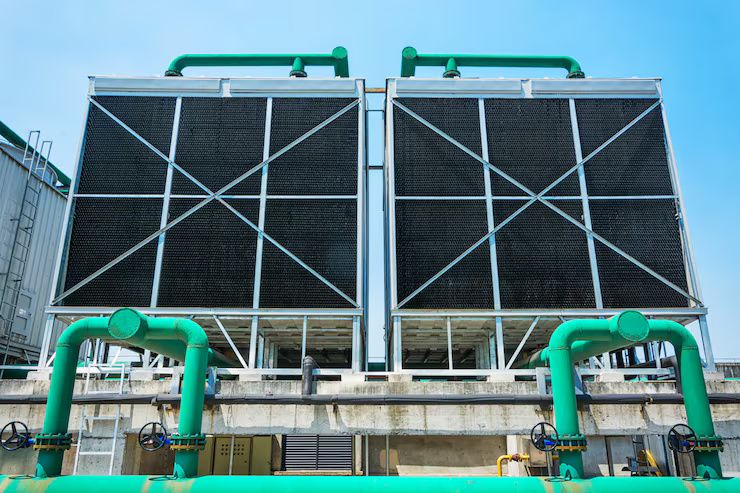
Industrial cooling refers to the systems, technologies, and processes used to remove heat generated during manufacturing, processing, and energy-related operations. Many industrial activities such as chemical reactions, metal fabrication, power generation, data processing, and food production naturally produce large amounts of heat
cooling is essential for keeping processes stable, protecting machinery, preventing overheating, and complying with environmental and safety standards. The field continues to expand as industries adopt new materials, automation systems, and sustainability-focused solutions.
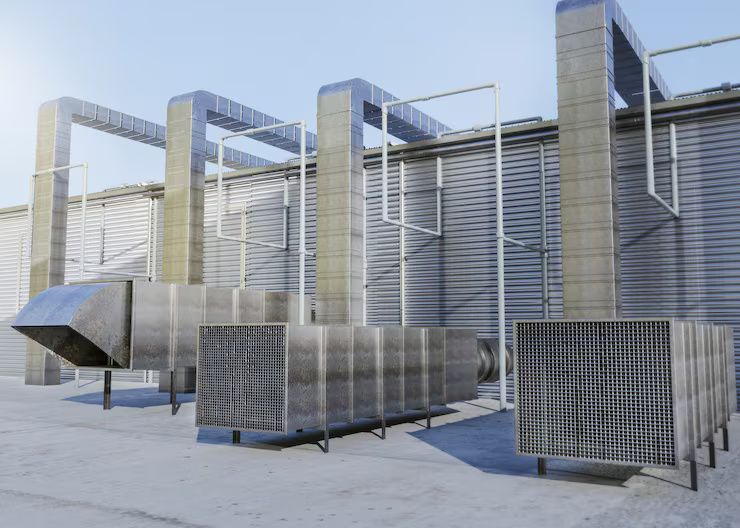
Why Industrial Cooling Matters Today
Industrial cooling has become a central part of modern operations due to rising global temperatures, increased production demands, and stricter environmental regulations. The topic affects a wide range of sectors:
-
Manufacturing relies on cooling for welding, machining, molding, and casting operations.
-
Power generation plants require large-scale cooling for turbines, condensers, and boilers.
-
Data centers depend heavily on cooling to maintain server efficiency and uptime.
-
Pharmaceutical and food processing facilities need precise cooling to ensure quality and safety.
-
Chemical industries depend on temperature control during reactions and refining processes.
Industrial cooling also solves several modern challenges:
-
Heat management in high-energy environments where temperatures rise quickly
-
Increasing equipment longevity by preventing thermal stress
-
Improving energy efficiency by optimizing heat removal
-
Supporting clean-energy transitions through heat-recovery and eco-friendly cooling
-
Ensuring worker safety by maintaining controlled manufacturing environments
As global industries grow, the need for stable and efficient cooling systems continues to rise.
Recent Updates and Trends (2023–2025)
Industrial cooling has experienced notable shifts over the past two years driven by innovation, environmental concerns, and digital transformation.
Sustainability-Focused Cooling (2023–2024)
Manufacturers have adopted solutions that reduce water usage and energy consumption. Between 2023 and 2024, several industries began shifting toward hybrid cooling systems that combine air-cooling and evaporative cooling to balance efficiency and environmental impact.
Growth of Data Center Cooling (2024–2025)
As artificial intelligence and cloud computing expanded globally, the demand for advanced cooling increased. In early 2024, immersion cooling and liquid cooling technologies gained traction, particularly in Asia, Europe, and the United States, due to their ability to manage high-density server loads.
Use of Smart Sensors and IoT Monitoring (2023–2025)
Digital monitoring tools have become more common. Real-time sensors track temperature, flow rates, and energy usage, allowing predictive adjustments. By 2024, several industries integrated AI-driven thermal analytics to optimize system performance.
Refrigerant Regulation Updates
Between late 2023 and 2024, many countries moved toward reducing high-global-warming-potential refrigerants. This shift encouraged companies to adopt natural refrigerants such as ammonia, CO₂, and hydrocarbon-based alternatives.
Heat Recovery Innovations
Thermal energy recovery—especially converting waste heat into usable energy—grew significantly in 2024. Sectors such as metallurgy, cement, and chemicals began to adopt more closed-loop systems to reduce energy waste.
How Industrial Cooling Is Influenced by Laws and Policies
Industrial cooling systems are shaped by environmental, safety, and energy-efficiency regulations. While requirements differ by region, several common themes affect the sector.
Energy Efficiency Standards
Many countries now mandate efficiency benchmarks for industrial equipment. These policies guide how cooling towers, chillers, and heat exchange systems operate, encouraging improvements in thermal performance and reduced energy consumption.
Refrigerant Regulations
Global agreements such as the Kigali Amendment influence national policies to phase down high-GWP refrigerants. This affects how industries select chemicals used in cooling and refrigeration systems.
Water Usage Regulations
Cooling towers and evaporative systems are subject to rules that limit water consumption and discharge. Facilities may be required to monitor water flow, adopt filtration methods, or reduce usage in water-stressed regions.
Worker Safety and Thermal Protection Standards
Occupational safety rules often regulate equipment placement, insulation, ventilation, and temperature thresholds to ensure safe working conditions.
Environmental Protection Guidelines
Emission controls, heat-dissipation limits, and noise regulations also influence industrial cooling design and operation. Many countries require environmental impact assessments before installing large-scale cooling systems.
Tools, Calculators, and Resources for Industrial Cooling
A number of resources help professionals understand, monitor, and optimize industrial cooling systems. These tools support learning, design decisions, energy management, and compliance.
Useful Tools and Platforms
-
Energy modeling calculators – Used to estimate cooling loads, temperature profiles, and energy requirements.
-
Thermal performance monitoring apps – Track system temperature, flow rates, and efficiency metrics.
-
Cooling tower sizing calculators – Help determine appropriate dimensions and performance needs.
-
Refrigerant selection databases – Provide information on global warming potential, safety ratings, and applicable regulations.
-
IoT-based system dashboards – Display real-time data for process monitoring and predictive maintenance.
-
Technical learning portals – Offer educational materials on heat transfer, thermal management, and cooling technology basics.
Educational Websites and References
-
Engineering knowledge libraries
-
Industrial standards organizations
-
Environmental and safety regulatory websites
-
Energy-efficiency research portals
-
Manufacturing technology platforms
These resources help engineers, facility managers, and learners stay updated with best practices, technology trends, and compliance requirements.
FAQs
What is the main purpose of industrial cooling?
Industrial cooling is used to remove excess heat generated by industrial processes, machinery, and energy systems. It ensures safe operations, prevents equipment damage, and maintains product quality.
Which industries depend most on industrial cooling?
Sectors such as manufacturing, power generation, chemical processing, food production, pharmaceuticals, and data centers rely heavily on cooling for efficient operations.
Are eco-friendly cooling methods available?
Yes. Many industries now adopt natural refrigerants, hybrid cooling systems, dry cooling, and heat-recovery technologies to reduce environmental impact.
What factors influence cooling system efficiency?
Key factors include heat load, flow rates, system design, refrigerant type, ambient climate, and the condition of pipes, fans, and heat exchangers.
How has industrial cooling changed in recent years?
Recent years have seen growth in smart monitoring, energy-efficient technologies, natural refrigerants, data center cooling, and regulations that encourage environmental responsibility.
Conclusion
Industrial cooling is an essential part of global infrastructure, supporting manufacturing, energy production, data processing, and many other sectors. As industries grow and environmental concerns become more urgent, cooling technologies continue to evolve. Today’s systems focus on efficiency, sustainability, and reliability, supported by digital tools and updated regulations