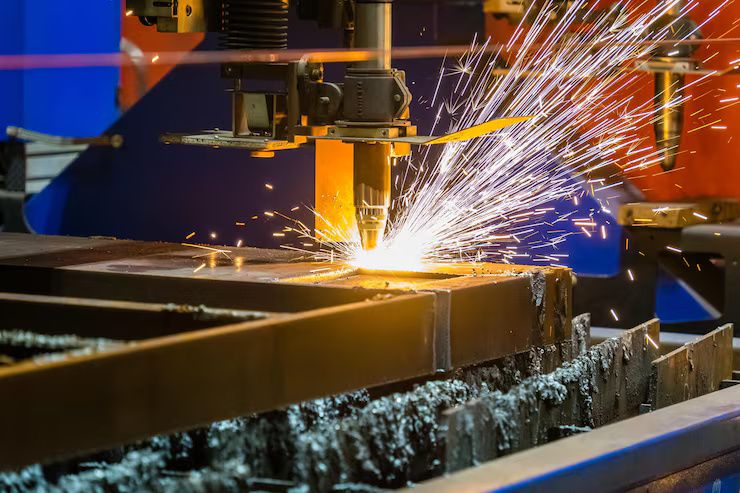
Laser cutting machines are advanced industrial systems that use concentrated beams of light to cut, engrave, or mark materials with a high degree of accuracy. They exist to meet the growing need for precise, repeatable, and efficient manufacturing processes in sectors such as metal fabrication, electronics, automotive engineering, packaging, and aerospace
laser cutting machines operate through computer-controlled systems, making them central to smart manufacturing, digital fabrication, and automation workflows.
Importance
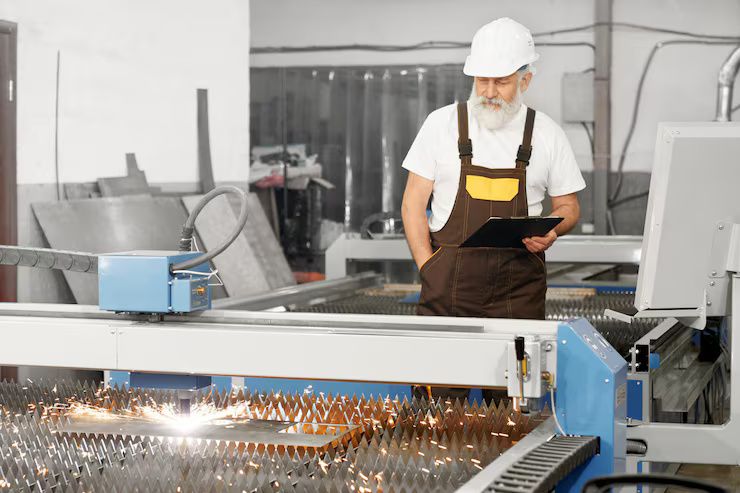
Laser cutting technology plays a vital role in modern industrial operations, influencing production quality, safety, material efficiency, and energy optimization. It matters because it supports high-precision manufacturing at a time when industries demand smaller tolerances and greater design complexity.
The importance of these machines is evident across various professional fields:
-
Manufacturing and fabrication – Enables precision shaping of metal sheets, acrylic, composites, and engineered materials.
-
Automotive components – Supports the creation of lightweight, durable parts for modern vehicle designs.
-
Electronics production – Helps in micro-cutting for circuit boards and semiconductor applications.
-
Medical devices – Ensures clean, accurate cuts essential for surgical tools and sterilizable components.
-
Aerospace engineering – Allows cutting of high-strength alloys with minimal thermal distortion.
Laser cutting also addresses common industrial challenges such as material wastage, inconsistent output, slow production cycles, and errors caused by manual cutting tools.
By supporting CAD-CAM integration, laser systems help industries maintain uniformity across batches and improve production workflows.
Recent Updates
The past year has introduced notable advancements and shifts in the laser cutting sector, driven by automation, digital monitoring, and environmental priorities. Key updates include:
Advancements in 2024–2025
-
AI-powered path optimization gained popularity in 2024, allowing machines to automatically adjust beam intensity, cutting angles, and speed to improve accuracy and reduce energy use.
-
Fiber laser adoption increased sharply, especially in metalworking, due to improvements in energy efficiency and lower maintenance needs compared to CO₂ systems.
-
Smart sensor integration expanded in 2025, supporting predictive diagnostics, real-time monitoring, and remote troubleshooting.
-
Material-specific laser modules became more common, enabling precise cutting for composites, reflective metals, and heat-sensitive elements.
Industry trends
-
Greater emphasis on high-precision manufacturing, driven by electronics miniaturization.
-
Growing adoption of automated loading and unloading systems for continuous operation.
-
Increased focus on energy-efficient industrial technologies as organizations aim to reduce environmental impact.
-
The rise of cloud-connected manufacturing dashboards, enabling operators to evaluate productivity remotely.
These updates reflect a broader move toward digital transformation within manufacturing environments.
Laws or Policies
Laser cutting machines operate within a regulatory framework designed to support worker safety, environmental protection, and technical compliance. Although rules vary by country, several common policy areas apply:
Safety Standards
Many countries follow guidelines similar to:
-
ISO 11553 – Safety requirements for laser processing machines.
-
IEC 60825 – International safety standards for laser equipment classification and labeling.
-
OSHA-equivalent workplace standards – Mandating protective eyewear, ventilation systems, and controlled access zones.
Environmental and operational guidelines
-
Regulations encourage the use of low-emission technologies and proper management of fumes generated during cutting operations.
-
Some regions require regular inspection and documentation, especially in facilities handling metals or high-powered laser systems.
-
Many countries promote automation and digital monitoring through industrial modernization programs, indirectly supporting advanced laser systems.
Manufacturing quality standards
-
Compliance with ISO 9001 or similar frameworks ensures consistent production processes.
-
Standards for material traceability and design accuracy influence how companies use laser cutting in precision manufacturing.
These regulations help ensure that laser cutting machines are operated safely, responsibly, and with minimal impact on workers and the environment.
Tools and Resources
A variety of tools and resources support the operation, planning, and optimization of laser cutting systems. These solutions help with design preparation, parameter selection, safety compliance, and workflow management.
Helpful resources
-
CAD design platforms – Used for creating and modifying digital cutting layouts.
-
CAM software – Helps translate digital designs into machine-ready paths.
-
Laser parameter libraries – Provide recommended settings for different materials, thicknesses, and beam types.
-
Material compatibility guides – Useful for understanding how different surfaces respond to laser interaction.
-
Safety compliance checklists – Focus on eyewear selection, shielding, and ventilation.
-
Industrial monitoring dashboards – Track machine performance, energy use, and operation time.
Example reference table
A simple overview of material interactions with common laser types:
| Material Type | Fiber Laser | CO₂ Laser | UV Laser | Notes |
|---|---|---|---|---|
| Mild Steel | Excellent | Good | Limited | Fiber lasers preferred for efficiency |
| Stainless Steel | Excellent | Good | Limited | High accuracy achievable |
| Acrylic | Limited | Excellent | Good | CO₂ lasers ideal for smooth edges |
| Wood | Good | Excellent | Moderate | Suitable for engraving and marking |
| Reflective Metals | Excellent | Limited | Limited | Fiber lasers reduce reflection risks |
FAQs
What materials can laser cutting machines work with?
They can cut a wide range of materials, including metals, plastics, wood, acrylic, composites, textiles, and certain ceramics. The compatibility depends on the laser type, power rating, and machine configuration.
How does a laser cutting machine maintain accuracy?
Accuracy is achieved through CNC control, stable laser power, high-precision optical systems, and automated alignment features. Many machines also use sensors to monitor position, speed, and material condition.
What is the difference between fiber and CO₂ laser cutting systems?
Fiber lasers use a solid-state diode source and excel at cutting metals with high efficiency. CO₂ lasers rely on gas mixtures and are suitable for non-metal materials like acrylic, wood, and fabrics.
Do laser cutting machines require ventilation?
Yes. Ventilation systems are essential to manage fumes, smoke, and particles released during cutting or engraving. Proper ventilation improves workplace safety and helps maintain air quality.
Are laser cutting machines suitable for small components?
Yes. Many machines support micro-cutting and fine detailing, making them useful for electronics, medical instruments, and precision parts.
Conclusion
Laser cutting machines have become an essential part of modern industrial processes due to their accuracy, efficiency, and ability to support complex design requirements. With advancements in fiber laser technology, AI-guided optimization, and digital monitoring, they continue to evolve in ways that support precision engineering and sustainable manufacturing.
Ongoing updates in international standards and workplace safety guidelines help ensure that these systems operate reliably and responsibly. As organizations shift toward automation and high-precision workflows, laser cutting machines will remain central to industries that depend on accuracy, repeatability, and advanced material processing techniques.