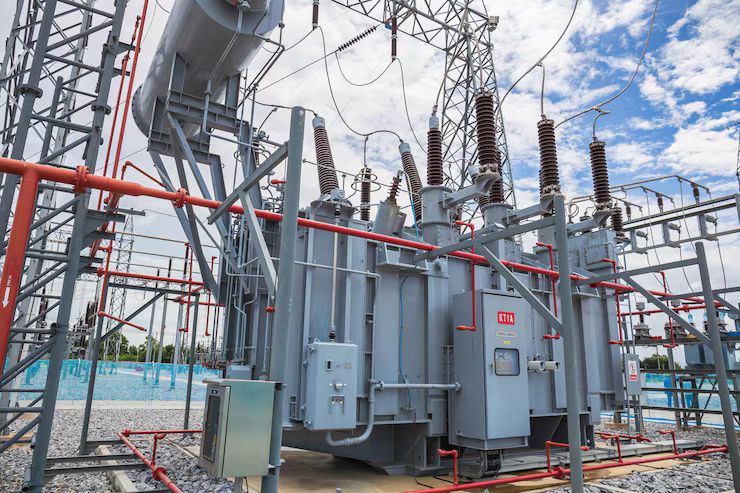
Substations are a fundamental part of electrical infrastructure and play a central role in transforming, regulating, and distributing electricity across regions. Power substation equipment supports these tasks by ensuring the safe and reliable flow of electrical energy from generation sources to homes, industries, commercial zones, and public facilities
As electricity demand continues to grow, the equipment inside substations has become more advanced, incorporating automation, smart monitoring, and improved safety features.
Power substations exist to manage voltage levels, maintain grid reliability, and stabilize the supply of electricity. Without them, long-distance transmission and local distribution would not be possible. These substations house equipment such as transformers, circuit breakers, isolators, busbars, protection relays, capacitors, reactors, control panels, and monitoring systems.
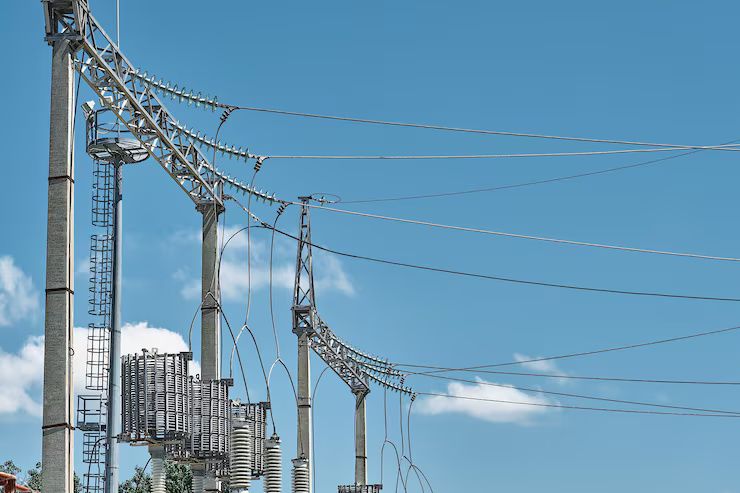
Importance of Power Substation Equipment Today
Substation equipment supports critical functions such as voltage transformation, fault detection, grid protection, and power regulation. This equipment matters today because electricity systems have become more complex and carry higher loads across longer distances.
Key reasons why substation equipment is important include:
-
Grid Reliability: It ensures consistent and stable energy delivery, preventing outages and voltage fluctuations.
-
Electrical Safety: Equipment such as circuit breakers and relays protect infrastructure from faults, short circuits, and overloads.
-
Renewable Integration: Substations allow solar parks, wind farms, and hybrid energy storage systems to be connected efficiently to the grid.
-
Energy Efficiency: Advanced monitoring systems help utilities optimize power flow and reduce energy losses.
-
Infrastructure Expansion: With rapid urban growth, industries and residential clusters require stable power supported by efficient substation design.
-
Smart Grid Development: Automation and digital monitoring improve decision-making and reduce response time in case of faults or grid disturbances.
Substation equipment directly affects power utilities, industries, municipalities, transport networks, and large commercial infrastructures. As demand rises, reliable equipment becomes essential for maintaining stability and supporting economic activity.
Recent Updates and Trends
The past year has seen important technological developments, regulations, and upgrades in the substation sector. Several nations have announced modernization plans to support renewable energy adoption and reduce grid losses.
Key updates and trends include:
-
Expansion of Digital Substations (2024–2025): Utilities have been transitioning from traditional analog equipment to digital systems with advanced communication protocols such as IEC 61850.
-
Growing Use of SF₆ Alternatives: Due to environmental concerns, equipment manufacturers have introduced vacuum-based or fluoronitrile gas solutions to replace SF₆ in switchgear.
-
Rise of AI-Based Monitoring (2024): Artificial intelligence and predictive analytics are increasingly used for asset management, detecting failures before they occur.
-
Increased Installation of Compact GIS Systems: Gas-Insulated Substations (GIS) are gaining popularity in urban areas because they require less space and provide better safety.
-
Integration of Energy Storage: Substations increasingly support battery energy storage systems used for frequency regulation and peak load management.
-
Cybersecurity Guidelines (2024 updates): Asset operators are adopting new cybersecurity frameworks to protect digital substations from cyber threats.
-
Microgrid-Ready Substations: With interest in resilient local grids, utilities are testing substation equipment compatible with microgrid operations.
These changes show the shift toward efficient, automated, and environmentally conscious infrastructure.
Laws, Policies, and Standards Influencing Substation Equipment
Power substations operate under strict regulatory frameworks to ensure safety, reliability, and environmental compliance. Regulations vary by country but often follow international safety and engineering standards.
Common standards and policies affecting substation equipment include:
-
IEC Standards:
-
IEC 62271 (high-voltage switchgear)
-
IEC 60076 (power transformers)
-
IEC 61850 (digital communication for substations)
-
-
IEEE Standards:
-
IEEE C37 (protection and control equipment)
-
IEEE 80 (grounding safety standards)
-
-
National Electrical Codes: Many countries follow guidelines for electrical installations, grounding, and safety distances.
-
Environmental Regulations: Countries have introduced policies limiting greenhouse gas emissions, encouraging alternatives to SF₆ gas.
-
Grid Compliance Requirements: Utilities must follow regional grid codes that define voltage levels, protection requirements, and operational standards.
-
Government Programs: Infrastructure modernization initiatives often fund upgrades to substation equipment for smart grid deployment.
These frameworks ensure that systems meet technical accuracy, reliability benchmarks, and safety expectations.
Tools and Resources for Understanding Substation Equipment
Several tools, digital platforms, and technical resources help engineers, students, and planners learn about substation design and equipment.
Useful tools and platforms include:
-
Electrical Design Software
-
ETAP
-
DIgSILENT PowerFactory
-
AutoCAD Electrical
-
MATLAB Simulink
These support load flow studies, relay coordination, and system modeling.
-
-
Grid Monitoring Dashboards
-
SCADA systems
-
IoT-based transformer monitoring platforms
-
Sensor-integrated predictive maintenance tools
-
-
Planning and Calculation Tools
-
Voltage drop calculators
-
Grounding grid design tools
-
Fault calculation software
-
-
Educational Resources
-
IEEE Xplore for technical research
-
IEC standards documentation
-
Online tutorials on electrical engineering principles
-
-
Data and Simulation Models
-
Open-source power system models
-
Smart grid simulation environments
-
Substation layout templates
-
These resources offer help for understanding key components, system behavior, design considerations, and operational insights.
Illustrative Table: Major Substation Equipment and Their Functions
| Equipment | Function | Key Insight |
|---|---|---|
| Power Transformer | Changes voltage levels | Essential for long-distance transmission |
| Circuit Breaker | Interrupts current during faults | Protects grid equipment and ensures safety |
| Isolator/Disconnector | Provides safe maintenance isolation | Used when no current is flowing |
| Busbar | Conducts electricity within substation | Supports load distribution |
| Lightning Arrester | Protects against surges | Prevents damage during storms |
| Protection Relays | Detect anomalies | Supports automation and fault isolation |
| Control Panel | Manages switching and monitoring | Used in GIS and AIS substations |
FAQs
What is the main purpose of a power substation?
A substation regulates voltage, manages power flow, and ensures safe distribution across various parts of the electrical grid.
What equipment is essential in a modern substation?
Transformers, circuit breakers, isolators, protection relays, control systems, grounding systems, busbars, and monitoring devices form the core infrastructure.
How do digital substations differ from traditional ones?
Digital substations use advanced communication protocols, intelligent electronic devices, sensors, and automated monitoring for faster and more reliable operation.
Why is SF₆ being phased out in some regions?
SF₆ has a high global warming potential, prompting manufacturers to introduce environmentally safer alternatives.
How does renewable energy affect substation equipment?
Substations require upgraded components and improved protection systems to handle variable loads from solar and wind installations.
Conclusion
Power substation equipment plays a central role in maintaining reliable, safe, and efficient electricity systems. With growing energy demand, digital transformation, and the expansion of renewable energy, substations are evolving to include advanced monitoring systems, automation capabilities, environmentally friendly technologies, and improved protection mechanisms.