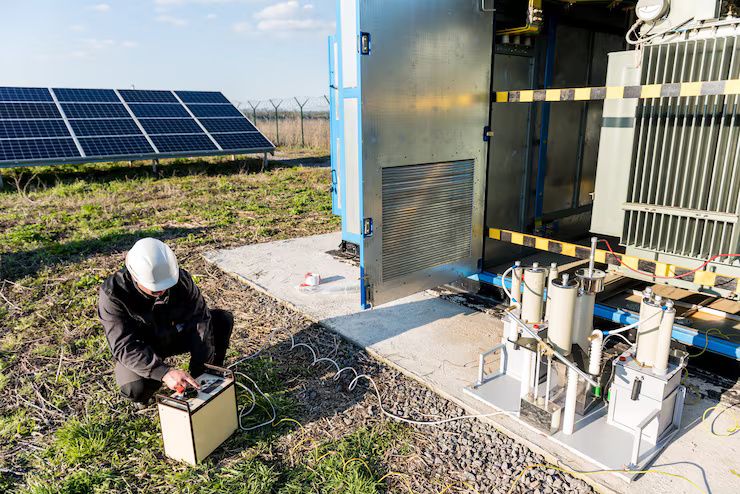
Solar inverters are essential components in photovoltaic (PV) systems, converting direct current (DC) electricity generated by solar panels into alternating current (AC) electricity suitable for commercial and industrial applications. Without inverters, solar-generated energy cannot be integrated into commercial electrical systems or the grid
Commercial solar inverters are generally larger, more efficient, and capable of handling high capacities compared to residential units. They are designed for continuous operation and optimized for various load types, including HVAC systems, lighting, machinery, and office equipment.
Importance — Why Solar Inverters Matter for Commercial Buildings
Commercial use of solar inverters is increasingly significant due to energy cost management, sustainability goals, and regulatory compliance. Inverters are vital for the following reasons:
-
Energy Conversion Efficiency: High-efficiency inverters ensure maximum utilization of solar energy, reducing reliance on grid electricity.
-
Grid Integration: Commercial inverters enable seamless feeding of surplus energy back into the electrical grid.
-
Reliability for Industrial Loads: Inverters can handle fluctuating and high-demand loads required in factories and office complexes.
-
Monitoring and Maintenance: Advanced inverters provide real-time data for energy production, consumption, and system performance.
-
Support Sustainability Goals: Solar inverters help companies reduce carbon footprint and meet ESG (Environmental, Social, and Governance) targets.
Businesses, commercial property owners, and industrial facilities benefit from integrating solar inverters to optimize energy usage, manage costs, and enhance sustainability.
Recent Updates — Trends in Solar Inverters (2024–2025)
The commercial solar inverter sector has seen multiple innovations in the past year:
| Trend | Description | Impact on Commercial Installations |
|---|---|---|
| High-Efficiency MPPT Inverters | Inverters with multiple maximum power point trackers (MPPT) for better energy capture from solar panels. | Increases energy yield and reduces losses due to shading or panel orientation. |
| Hybrid Inverters | Systems that integrate solar, grid, and battery storage. | Provides backup power during outages and optimizes energy usage. |
| Smart Inverter Technology | IoT-enabled inverters with real-time monitoring and remote diagnostics. | Enhances performance tracking, predictive maintenance, and fault detection. |
| Large-Scale Central Inverters | Centralized inverters for commercial rooftops or solar farms. | Cost-effective for high-capacity solar installations. |
| Renewable Integration Standards | Compliance with new grid codes for renewable energy injection. | Ensures safety and stability in grid-connected commercial setups. |
These trends show how commercial solar inverters are evolving to meet energy efficiency goals, grid compliance, and operational reliability.
Laws or Policies — Regulations for Commercial Solar Inverters
Regulatory frameworks govern the installation and operation of solar inverters to ensure safety, grid stability, and efficiency. In India, key regulations include:
-
MNRE (Ministry of New and Renewable Energy) Guidelines: Sets standards for solar PV installations and grid-connected systems.
-
Central Electricity Authority (CEA) Grid Codes: Defines technical requirements for feeding solar energy into commercial and industrial grids.
-
BIS Standards: Bureau of Indian Standards regulates inverter quality, safety, and certification.
-
Net Metering Policies: State electricity boards allow commercial establishments to feed surplus energy back to the grid and earn credits.
Globally, compliance with international standards like IEC 62109 (safety of power inverters) and UL 1741 (US standards for grid-connected inverters) ensures reliability and performance. Adhering to these standards protects equipment, ensures operational safety, and enables long-term system efficiency.
Tools and Resources — Supporting Commercial Solar Inverter Use
Commercial solar installations rely on specialized tools, monitoring platforms, and resources:
Monitoring and Control Tools
-
IoT-enabled dashboards for real-time energy monitoring
-
Energy management software to track consumption and generation
-
Remote diagnostics apps for predictive maintenance
Installation Tools
-
Mounting systems for large rooftop or ground-mounted solar arrays
-
Wiring and combiner boxes compatible with high-capacity inverters
-
Surge protection devices and grounding equipment
Analytics and Optimization
-
Solar performance calculators to determine energy yield
-
Shade analysis and panel orientation tools for maximum efficiency
-
Load analysis software for determining inverter sizing
Maintenance Tools
-
Thermal imaging cameras to detect hotspots
-
Multimeters and clamp meters for electrical testing
-
Firmware update platforms for inverter control software
These tools help commercial operators maximize efficiency, maintain safety, and optimize ROI from solar installations.
FAQs — Common Questions About Commercial Solar Inverters
1. What is the difference between residential and commercial solar inverters?
Commercial inverters have higher capacity, advanced MPPT systems, and are designed for continuous operation under higher electrical loads.
2. Can commercial inverters provide backup power?
Hybrid inverters with battery integration can provide backup power during grid outages.
3. How do inverters contribute to energy savings?
By converting solar DC to usable AC efficiently and enabling grid integration, inverters reduce reliance on conventional electricity.
4. Are commercial solar inverters compatible with all solar panels?
Most modern inverters are compatible with a wide range of PV panels, but proper sizing and electrical compatibility are essential.
5. What maintenance is required for commercial inverters?
Routine inspections, firmware updates, temperature checks, and cleaning of ventilation areas ensure optimal performance and longevity.
Conclusion
Solar inverters are a cornerstone of commercial solar energy systems, enabling efficient DC-to-AC conversion, grid integration, and energy optimization. With advancements in hybrid technology, smart monitoring, and high-capacity designs, commercial inverters support sustainability goals, reduce energy costs, and ensure reliable power supply for industrial and commercial operations.
As solar adoption continues to grow in businesses, commercial solar inverters remain essential for energy efficiency, operational reliability, and environmental responsibility. Integrating advanced inverter solutions allows companies to harness solar power effectively while meeting regulatory requirements and sustainability objectives.