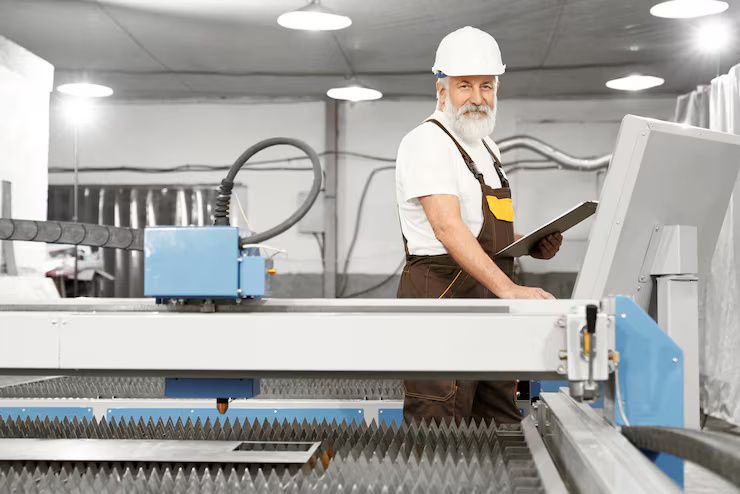
Waterjet cutting machines are precision tools that use a high-pressure stream of water, sometimes mixed with abrasive materials, to cut a wide range of surfaces. They emerged as an alternative to thermal cutting technologies that rely on heat
These machines gained traction in industries where precise shaping, smooth edges, and minimal thermal distortion are important. They operate through controlled pressure levels directed through CNC waterjet systems that guide the stream with accuracy. The technology supports cutting materials such as metals, stone, composites, plastics, and glass without altering internal structures.
Because the process does not require heating the material, waterjet cutting became useful in applications that require accuracy, clean geometry, and minimal risk of micro-cracks or material warping.
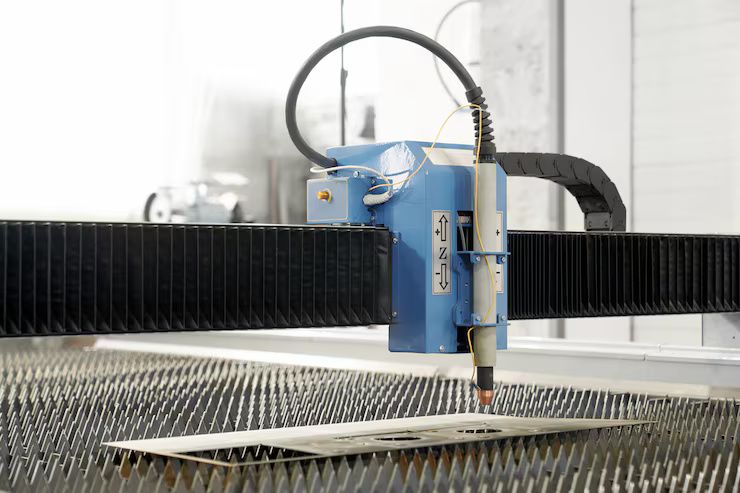
Importance: Why Waterjet Cutting Matters Today and Who It Affects
Waterjet cutting machines play a meaningful role in modern manufacturing, engineering design, prototyping, and fabrication. Their importance comes from their versatility and the ability to process materials that are difficult to cut using traditional thermal or mechanical methods.
Key reasons why the technology matters today:
-
Precise shaping without creating heat-affected zones.
-
Compatibility with complex geometries, including small internal features and tight tolerances.
-
Material flexibility, from metals and alloys to ceramics and laminated surfaces.
-
Smooth edge output, which reduces the need for secondary finishing.
-
Environmentally considerate requirements, since the method generates minimal airborne dust and fumes compared to some alternatives.
Who benefits from this technology:
-
Manufacturing units that require accurate cutting for mass-production parts
-
Engineering teams involved in prototyping and product development
-
Aerospace and automotive sectors that work with sensitive materials
-
Architecture and design fields using stone, glass, and artistic components
-
Educational and research laboratories studying advanced cutting methods
Because waterjet cutting eliminates the need for thermal exposure, it supports sectors focused on reliability, structural integrity, and strict material specifications.
Recent Updates: Key Trends and Developments from the Past Year
Over the past year, several developments have shaped how waterjet cutting machines are used, managed, and optimized. The following updates reflect general industry shifts without referencing sales or commercial claims.
1. Advancements in ultra-high-pressure systems (2024–2025)
Manufacturers and research institutions introduced stronger pumps capable of reaching higher pressure stability, allowing improved precision for detailed components.
2. Growth of automation in waterjet workflows (2024)
Integration of robotic arms and automated positioning platforms helped streamline complex cutting sequences, especially in sectors demanding repetitive accuracy.
3. Increased focus on sustainability (2024–2025)
Efforts expanded around water recycling systems, abrasive recovery setups, and techniques to minimize waste generation during abrasive waterjet cutting processes.
4. Updates in CNC waterjet software (2025)
Software packages received enhancements that allow easier path control, predictive monitoring, and material-specific profiles for improved decision-making.
5. Broader adoption of mixed-material cutting
As multi-layer and composite materials became more common in engineering projects, waterjet systems adapted with new nozzles and abrasive flow controls.
Laws or Policies: Regulations and Standards Affecting Waterjet Cutting Machines
Waterjet cutting machines operate under a combination of safety guidelines, industrial standards, and environmental expectations. Regulations differ by country, but they often include similar requirements related to equipment operation, worker safety, and industrial compliance.
Common regulatory areas include:
-
Pressure-based equipment safety requirements
Many countries require that ultra-high-pressure components follow guidelines for pressure vessels, seals, hoses, and valve strength. -
Noise control standards
Waterjet cutting machines may generate significant noise, so occupational noise regulations (such as OSHA guidelines in the U.S. or similar frameworks in other countries) apply. -
Abrasive waste disposal rules
Used abrasives must be collected and managed according to local environmental guidelines. This ensures that mineral and particulate waste does not enter open water systems. -
Water recycling and usage norms
Facilities are encouraged or required to manage water output responsibly, especially in regions with water-use regulations. -
Electrical and machine safety certifications
CNC controllers and electronic components generally must meet industrial electrical safety standards.
These policies aim to ensure safe operation, protect the surrounding environment, and maintain high reliability in industrial workflows.
Tools and Resources: Helpful Platforms, Software, and Learning Materials
Useful Online Tools and Platforms
-
Material thickness calculators – Help estimate cutting parameters for metals, composites, and specialty materials.
-
Waterjet pressure simulators – Provide estimated pressure and abrasive flow requirements for different cut qualities.
-
CNC path optimization software – Allows users to test cutting paths before applying them to real materials.
-
Abrasive selection guides – Offer clarity on appropriate abrasive types for surfaces like steel, glass, stone, and ceramics.
-
Water recycling system planners – Assist facilities in assessing water consumption and filtration needs.
Educational Resources
-
Technical institutes offering training modules on industrial cutting methods
-
Engineering textbooks covering material removal processes
-
Research journals focused on abrasive waterjet technology and fluid dynamics
-
Safety guideline handbooks related to high-pressure equipment
-
Digital libraries detailing global waterjet standards and operational best practices
These tools help professionals understand how to optimize waterjet settings, enhance accuracy, and maintain safety.
Table: Types of Waterjet Cutting Processes
| Process Type | Description | Typical Use Case |
|---|---|---|
| Pure Waterjet Cutting | Uses only high-pressure water | Cutting soft materials like rubber, foam, textiles |
| Abrasive Waterjet Cutting | Adds abrasive particles to the water stream | Cutting metals, stone, ceramics, composites |
| CNC Waterjet Cutting | Controlled by computer numerical systems | Complex shapes and high precision tasks |
| Multi-Axis Waterjet Cutting | Allows angled or 3D cutting | Components requiring bevels or intricate geometry |
Table: Key Technical Parameters to Understand
| Parameter | Meaning | Why It Matters |
|---|---|---|
| Pressure Level | The force applied to the water stream | Higher pressure enables cleaner, faster cuts |
| Abrasive Type | Material used to assist cutting | Determines cut quality on hard materials |
| Nozzle Size | Diameter of the cutting opening | Influences accuracy and cutting thickness |
| Cutting Speed | Travel rate of the head | Affects edge quality and time required |
FAQs
What materials can be processed using waterjet cutting?
Waterjet cutting supports metals, composites, plastics, glass, stone, and reflective or heat-sensitive materials. It is used in situations where thermal distortion needs to be avoided.
Does waterjet cutting involve heat?
The process does not rely on heat to remove material. This helps preserve the internal structure and mechanical properties of the material being shaped.
What is abrasive waterjet technology?
It involves adding abrasive particles to the water stream to cut harder materials. The abrasives support precision and enable cutting metal, ceramics, and strong alloys.
Is water recycling possible in waterjet systems?
Yes. Many systems are paired with recycling mechanisms that filter and reuse water. This helps reduce resource consumption and supports environmental compliance.
What is the role of CNC systems in waterjet cutting?
CNC waterjet systems control the motion of the cutting head. They ensure accurate path movement, repeatability, and the ability to create complex geometries.
Conclusion
Waterjet cutting machines continue to play a significant role across engineering, manufacturing, architecture, and research sectors. Their adaptability, precision, and compatibility with numerous materials make them a valuable technology for modern fabrication needs. With advancements in ultra-high-pressure systems, improved CNC controls, and a growing focus on sustainability, the technology is evolving in function and efficiency.