Morocco Desert Safari Tours: Guide to Routes, Activities and Planning
Morocco Desert Safari Tours are travel experiences that take visitors into Morocco's desert regions and surrounding landscapes. These journeys may include camel rides, 4x4 excursions, overnight camps, desert walks, stargazing, and visits to communities near the Sahara.
Morocco's desert areas are part of a wider landscape that includes the Atlas Mountains, oases, rocky plateaus, and historic settlements, making desert travel different from a simple visit to a single destination.
Context
What Are Morocco Desert Safari Tours?
Morocco Desert Safari Tours are organized journeys through desert and semi-desert areas, particularly around the southeastern parts of the country. Popular travel areas include Merzouga and the Erg Chebbi dunes, Zagora and the Draa Valley, and routes connecting desert communities with cities such as Marrakech and Ouarzazate.
The word "safari" in this context generally refers to an excursion through a natural landscape rather than a wildlife-focused African safari. The main attractions are sand dunes, desert scenery, traditional settlements, night skies, local culture, and outdoor activities.
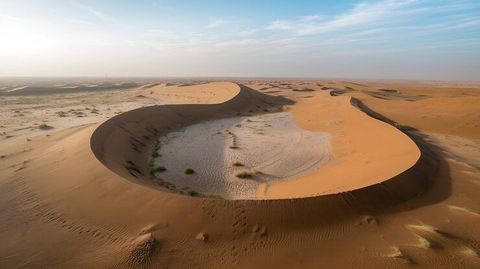
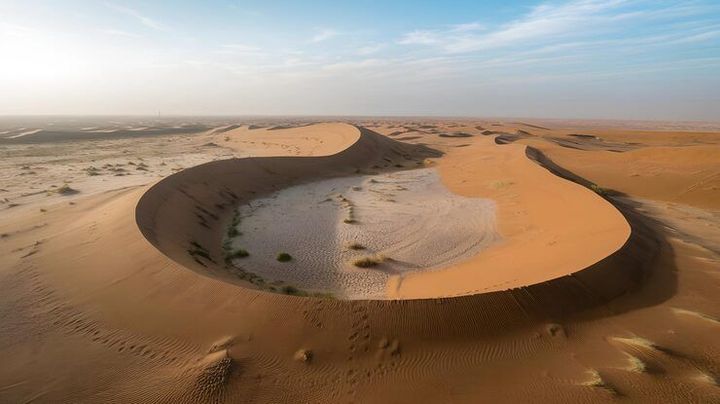
Travelers can encounter different types of desert terrain. Some areas contain large sand dunes, while others consist of rocky plains, dry valleys, mountains, and scattered vegetation. The Sahara therefore has considerable geographical variety.
How Desert Tours Are Organized
A desert journey can last from a few hours to several days. Short excursions may focus on nearby dunes, while longer itineraries can connect major cities with desert communities and include overnight stays.
A typical itinerary may involve:
- Road travel from a major Moroccan city
- A stop at a mountain pass or historic settlement
- Arrival near a desert community
- Transfer into a dune area by suitable transport
- Sunset or sunrise viewing
- Overnight accommodation
- Return travel or continuation to another destination
The exact route depends on the starting location, season, road conditions, accommodation arrangements, and activities included in the itinerary.
Main Desert Regions
| Region | General Characteristics | Common Activities |
|---|---|---|
| Merzouga | Large sand dunes near Erg Chebbi | Camel riding, camping, photography |
| Zagora | Draa Valley and surrounding desert landscapes | Desert excursions, cultural visits |
| Ouarzazate area | Rocky terrain, valleys, and historic sites | Road trips, landscape exploration |
| Draa Valley | Oasis landscapes and palm groves | Village visits, walking |
| Erg Chebbi area | Extensive dune landscape | Sunset viewing, camping, stargazing |
Importance
Why Desert Travel Requires Planning
Desert environments differ substantially from urban tourist areas. Temperatures can vary significantly between daytime and nighttime, while shade, water, mobile connectivity, and medical facilities may be limited in remote locations.
Planning is therefore important for understanding travel distances, transportation arrangements, weather conditions, accommodation types, and physical requirements. Travelers should also consider how much time is spent traveling between cities and desert areas.
Cultural and Historical Context
Morocco's desert regions have long been connected with trade routes, oasis settlements, agriculture, pastoral activities, and movement across the Sahara. Communities in southeastern Morocco have distinctive architectural, linguistic, culinary, and cultural traditions.
Some itineraries include visits to villages, kasbahs, music performances, local craft activities, or meals featuring regional dishes. Cultural experiences vary by location and should be approached with respect for local customs and community practices.
Desert Activities
Morocco Desert Safari Tours can involve several types of activities. Camel riding is associated with traditional desert travel, although the duration and conditions vary between locations.
Four-wheel-drive excursions can reach areas that are difficult to access using ordinary vehicles. Other activities may include sandboarding, walking on dunes, sunset photography, astronomy, and overnight camping.
Physical requirements differ between activities. Walking on sand can require more effort than walking on firm ground, while camel riding involves mounting, dismounting, and sitting for an extended period.
Accommodation Options
Desert accommodation ranges from traditional-style camps to more structured facilities. Some camps use tents with basic arrangements, while others provide private sleeping areas and additional amenities.
Travelers should examine the exact accommodation description, bathroom arrangements, electricity availability, heating or cooling provisions, bedding, meal arrangements, and distance from the nearest settlement before finalizing an itinerary.
Recent Updates
Digital Travel Planning
From 2024 through 2026, digital tools have continued to influence how travelers plan desert journeys. Online maps, weather applications, electronic reservations, digital travel documents, and location-based navigation can make it easier to organize multi-stop routes.
However, remote desert areas may have limited mobile coverage. Travelers should therefore keep essential reservation information, addresses, contact details, and navigation information available through an offline format when practical.
Growing Interest in Small-Group Experiences
Travel planning has increasingly included smaller groups and flexible itineraries. Smaller groups can allow different arrangements for transportation, meal timing, activity duration, and cultural visits.
The structure varies substantially between tour operators and locations, so travelers need to examine the actual itinerary rather than relying only on the general name of a tour.
Desert Conservation
Environmental awareness has become an important consideration in desert tourism. Dune ecosystems are sensitive to vehicle movement, waste, excessive disturbance, and uncontrolled development.
Some tourism initiatives emphasize designated routes, waste management, reduced disturbance to natural areas, and community participation. The effectiveness of individual measures depends on local implementation and environmental conditions.
Technology and Navigation
GPS-enabled navigation and digital mapping are increasingly used during desert travel. Vehicle operators may use navigation systems to monitor routes and coordinate movements.
Technology does not eliminate the need for local geographical knowledge. Sand conditions, weather, road conditions, and temporary access restrictions can change the suitability of particular routes.
Weather Awareness
Weather information has become easier to access through digital forecasting platforms. Travelers can examine expected daytime temperatures, nighttime conditions, wind, and precipitation before departure.
Desert weather can change quickly, particularly during periods of strong wind. Conditions may also differ between the dunes, nearby towns, mountain routes, and valleys.
Laws or Policies
Tourism Regulations in Morocco
Tourism activities in Morocco are subject to national and local rules concerning transportation, accommodation, protected areas, cultural heritage, and tourism operations. Requirements can vary according to the location and type of activity.
Morocco's Ministry of Tourism and other government institutions provide information concerning tourism development and applicable regulations. Local authorities may also have responsibilities concerning specific destinations.
Protected Areas and Environmental Rules
Some desert and surrounding areas may fall within protected landscapes or areas with environmental restrictions. Activities involving vehicles, camping, waste disposal, wildlife, or natural resources may therefore be subject to local requirements.
Travelers should remain within designated routes and follow instructions provided by local authorities or protected-area management when applicable.
Transportation and Road Safety
Long-distance desert itineraries often involve substantial road travel. Vehicles used for desert routes must comply with applicable Moroccan transportation and road-safety requirements.
Road conditions can vary considerably between major highways, rural roads, mountain routes, and tracks leading toward desert areas. Weather can also affect driving conditions.
Cultural Heritage
Morocco contains numerous historic structures, archaeological areas, kasbahs, and traditional settlements. Some locations have specific rules concerning access, photography, conservation, or visitor behavior.
Visitors should follow posted instructions and local guidance when entering historic or culturally significant areas.
Travel Documentation
International travelers must meet Morocco's entry requirements according to nationality, passport, travel purpose, and current immigration rules. Requirements can change, so travelers should verify current information through Moroccan government or diplomatic sources before departure.
Tools and Resources
Official Tourism Information
The Moroccan National Tourist Office provides information about destinations, regions, attractions, and travel planning. Its resources can help travelers understand the geographical differences between major desert areas.
Maps and Navigation
Digital maps are useful for examining distances between Marrakech, Ouarzazate, Zagora, Merzouga, and other locations. Travelers can use maps to understand whether a planned itinerary involves long road journeys between activities.
Offline maps can be particularly useful in areas where mobile coverage may be limited.
Weather Resources
Weather applications and official meteorological information can help travelers monitor temperature, wind, and precipitation. Desert conditions should be checked shortly before travel because forecasts can change.
Travel Planning Checklist
A simple planning document can include:
- Passport and entry documentation
- Accommodation details
- Transportation information
- Emergency contact information
- Weather forecasts
- Planned route
- Water and personal supplies
- Appropriate clothing
- Activity requirements
- Offline maps and reservation records
This type of checklist can help organize information for a multi-day desert itinerary.
FAQs
What are Morocco Desert Safari Tours?
Morocco Desert Safari Tours are organized excursions into Morocco's desert and semi-desert regions. They may include transportation, camel rides, desert camping, sightseeing, cultural activities, and landscape exploration.
Which desert areas are included in Morocco Desert Safari Tours?
Merzouga and the Erg Chebbi dunes are widely associated with Sahara travel, while Zagora and the Draa Valley provide different desert and oasis landscapes. Ouarzazate is also commonly included in longer routes.
How long do Morocco Desert Safari Tours usually take?
Duration varies from a short excursion to several days. A longer itinerary may be needed when traveling from Marrakech or another major city to southeastern desert regions and returning by road.
What activities are available during Morocco Desert Safari Tours?
Activities can include camel riding, 4x4 travel, sandboarding, walking, sunset and sunrise viewing, camping, stargazing, photography, and cultural visits. Availability depends on the location, season, weather, and itinerary.
What should travelers consider before a Morocco desert trip?
Travelers should consider weather, travel distances, accommodation conditions, physical requirements, transportation arrangements, entry documentation, local customs, and environmental rules. Remote areas may also have limited connectivity and access to medical facilities.
Conclusion
Morocco Desert Safari Tours provide opportunities to explore sand dunes, oasis landscapes, historic settlements, and desert communities across southeastern Morocco. Itineraries vary considerably in duration, transportation, accommodation, and activities, so geographical distances and environmental conditions are important planning factors. Recent travel trends include digital planning, smaller group arrangements, environmental awareness, and greater use of navigation technology. Entry rules, transportation requirements, cultural regulations, and protected-area rules should be checked according to the traveler's nationality and selected destination.