Dewatering Equipment Guide: Sludge Dewatering Methods, Equipment, and Applications
Sludge dewatering is a crucial process in the treatment of water and wastewater, playing an essential role in reducing waste volumes and recovering resources. This guide provides a detailed overview of sludge dewatering, focusing on the methods and equipment used in this vital process, as well as its various applications across industries.
Sludge dewatering is fundamentally the procedure through which water is removed from sludge, transforming what is typically a liquid waste into a form that is easier to handle and less expensive to transport and dispose of. By reducing the water content, dewatering leads to a higher concentration of solid materials, which can be beneficial in various practical ways. The ultimate goal is to achieve the greatest reduction in volume with minimal effort.
Several methods are employed in the dewatering process, each with advantages and unique applications. Gravity thickening is one of the simplest methods, relying on the natural settling of solid particles by gravity. This approach is energy-efficient and effective for primary sludge, where solids naturally separate from water. However, for enhanced efficiency and to cater to more complex types of sludge, other techniques are frequently applied.
Centrifugation involves spinning the sludge at high speeds to promote the separation of solids from liquids due to centrifugal forces. This method is particularly effective for treating thickened waste activated sludge. Centrifuges are advantageous when dealing with large volumes of sludge with varying characteristics, as they offer rapid separation.
Filter presses are widely used in dewatering operations, particularly where high solid content is desired. They function by squeezing the sludge between cloths or other filtering media within a pressurized compartment, effectively removing moisture and producing cake-like solids. This method is particularly suited to industries requiring high separation efficiency and is favored for its capability to handle a wide range of sludges.
Belt filter presses are another popular dewatering option, employing a continuous belt to press the sludge and expel water. By passing the sludge through a series of rollers and belts, these presses produce semi-solid materials that can easily be managed and disposed of. This type of dewatering is often used in municipalities due to its continuous operation capabilities and lower energy costs.
Another notable method is the use of drying beds, which rely on natural processes such as drainage and evaporation to dewater sludge. Although the drying beds method is labor-intensive and less effective during adverse weather conditions, it can be a cost-effective solution in areas with ample land and favorable climates.
Other advanced dewatering technologies include screw presses and rotary presses, each offering specific advantages depending on the type and characteristics of the sludge to be processed. Screw presses use a screw mechanism to separate water from solids, while rotary presses combine centrifugal force and pressure to achieve dewatering.
The selection of appropriate dewatering equipment is contingent upon several factors, including the volume and type of sludge, desired solid concentration, system efficiency, energy consumption, and operational costs. Each method and piece of equipment offers distinct benefits and limitations; thus, understanding the specific requirements of a process is essential for optimal results.
Applications of sludge dewatering span a wide range of sectors, from municipal wastewater treatment plants to industrial processes in food, chemical manufacturing, and even mining operations. In each context, the objectives are typically to reduce disposal costs, recover valuable by-products, or meet regulatory requirements for waste disposal.
In municipal wastewater treatment, dewatering plays a critical role in reducing the volume of sludge, thus lowering the costs associated with transportation and landfills. Furthermore, by decreasing water content, pathogens are less likely to survive, contributing to overall environmental safety.
In industrial settings, sludge dewatering can facilitate the recovery of valuable materials. For example, in the food processing industry, dewatering separates excess liquid from solid fruit or vegetable waste, enabling the recovery of valuable components like fibers or nutrients.
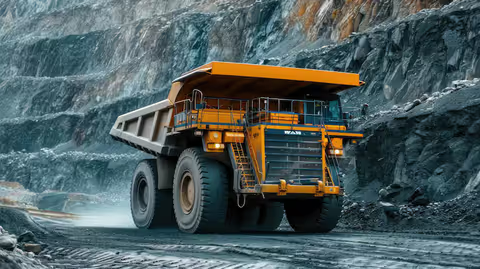
Additionally, the mining industry heavily relies on dewatering to manage tailings, ensuring that the leftover materials from mining processes are easier to handle and lessened in volume. This method not only aids in waste management but also helps in recycling water back into the mining process, supporting sustainability.
Effective dewatering is also significant in reducing the environmental footprint of waste management processes. By decreasing the volume of sludge, less waste ends up in landfills, and the recovered water can often be reused, reducing the strain on water resources.
Despite the clear advantages, challenges remain in sludge dewatering, such as handling the variability in sludge consistency and managing equipment maintenance. Innovations in technology continuously improve the efficiency and effectiveness of dewatering practices, expanding the possible applications and results achieved.
Ultimately, understanding the mechanisms, methods, equipment, and applications of sludge dewatering is essential for professionals in water and sewage treatment and industries generating substantial sludge volumes. By applying the appropriate dewatering techniques, businesses and municipalities can benefit from cost savings, resource recovery, and environmental protection.