Rubber Sheet Making Machines: Insights Into Types, Processes and Applications
Rubber sheet making machines are industrial systems used to transform natural or synthetic rubber compounds into sheets with controlled thickness, width, surface condition, and physical characteristics.
These machines are used in applications involving gaskets, seals, flooring materials, protective sheets, industrial components, footwear materials, and other rubber-based products. A typical production line can include mixing, calendaring, sheeting, cooling, cutting, and inspection stages.
Understanding rubber sheet making machines requires knowledge of how rubber compounds are prepared, shaped, heated, cooled, and inspected. Machine configuration depends on rubber formulation, sheet thickness, width, production method, surface requirements, and the intended application.
Context
What Are Rubber Sheet Making Machines?
Rubber sheet making machines are equipment systems designed to convert prepared rubber compounds into continuous or individual sheets. The rubber compound is processed through mechanical pressure, controlled temperature, rollers, or extrusion mechanisms to obtain the required shape.
A rubber sheet production arrangement may contain several connected stages:
Raw-material weighing and preparation
Internal or open-mill mixing
Compound conditioning
Calendaring or sheet forming
Thickness adjustment
Cooling
Cutting or winding
Surface treatment where required
Inspection and dimensional measurement
The exact arrangement varies according to the rubber formulation and final sheet specifications.
How Rubber Sheet Production Developed
Rubber processing originally depended heavily on manual mixing, rolling, and shaping. Mechanical mills later introduced more controlled methods for combining rubber with selected additives and producing consistent material forms.
The development of multi-roll calendars, extruders, automated controls, temperature monitoring, and continuous material handling gradually changed rubber sheet production. Modern equipment can coordinate several processing stages while recording selected operating parameters.
Main Types of Rubber Sheet Making Machines
Different machines are used according to the forming method and rubber compound.
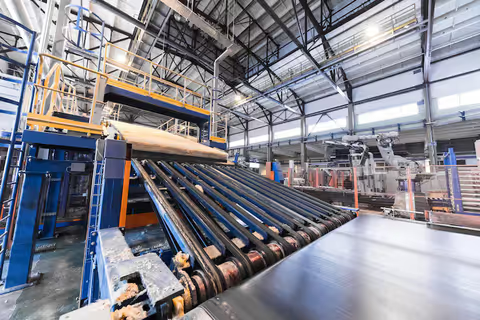
Calendering machines use heated or controlled rollers to press rubber into a continuous sheet. Roll spacing, roller temperature, compound feed, and line speed influence the resulting sheet dimensions.
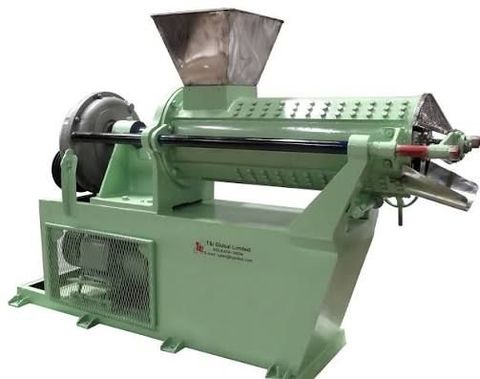
Rubber sheet extruders force a prepared compound through a shaped die. The extruded material can then pass through cooling, sizing, cutting, or winding stages.
Compression-based systems use moulds and pressure to form rubber into defined shapes or sheets. These systems can be useful for particular dimensions or material formulations.
Other equipment associated with rubber sheet production includes:
Two-roll mixing mills
Internal mixers
Three-roll or four-roll calenders
Rubber sheet extruders
Cooling conveyors
Sheet cutting machines
Roll winding systems
Thickness measurement equipment
Basic Manufacturing Process
Rubber sheet production generally starts with weighing and preparing the rubber and other formulation components. Natural rubber or synthetic rubber can be combined with materials such as fillers, pigments, processing additives, and curing ingredients according to the formulation.
The materials are mixed until the compound reaches the required degree of uniformity. The prepared compound then passes through a forming system such as a calender or extruder.
During calendering, rubber moves between rotating rollers that control sheet thickness and surface characteristics. During extrusion, the compound passes through a die that determines the initial sheet profile.
The formed sheet is cooled and may then be cut, wound, stacked, or transferred to another processing stage. Further curing or surface treatment can be used when required by the product specification.
Importance
Controlled Sheet Thickness
Sheet thickness is an important characteristic because rubber sheets may be incorporated into components where dimensional accuracy affects assembly and performance. Variations can result from roller spacing, compound temperature, material flow, line speed, or equipment condition.
Modern rubber sheet making machines can use mechanical adjustments and electronic measurement systems to monitor thickness during production. Actual dimensional control depends on machine design and process conditions.
Material Uniformity
Rubber compounds contain several ingredients that need to be distributed appropriately throughout the material. Uneven mixing can create differences in hardness, color, strength, flexibility, or other physical characteristics.
Mixing equipment therefore forms an important part of the overall sheet production process. The mixing sequence, temperature, duration, and ingredient addition order depend on the rubber formulation.
Surface Characteristics
Rubber sheets can have smooth, textured, patterned, or specially treated surfaces. The surface appearance can be influenced by roller condition, temperature, pressure, compound properties, and downstream processing.
Surface requirements vary by application. A sheet intended for a gasket can have different requirements from one intended for flooring or protective lining.
Industrial Applications
Rubber sheets are used across several industrial and consumer applications.
| Application area | Typical rubber sheet use | Important characteristic |
|---|---|---|
| Industrial equipment | Gaskets, pads, liners | Thickness and chemical compatibility |
| Automotive | Sealing and vibration-control components | Flexibility and durability |
| Construction | Membranes, pads, protective layers | Environmental resistance |
| Electrical | Insulating components | Electrical properties |
| Flooring | Mats and surface layers | Wear and surface characteristics |
| Agriculture | Protective and sealing components | Weather and material resistance |
| General manufacturing | Washers, seals, barriers | Dimensional consistency |
The required rubber formulation and production method depend on the application and relevant technical specifications.
Production Planning
Rubber sheet production requires coordination between compound preparation, forming, cooling, cutting, storage, and quality inspection. Changes in sheet width or thickness can require adjustments to roller settings, die configuration, material feed, and line speed.
Production planning may therefore consider:
Rubber compound formulation
Sheet width and thickness
Required surface pattern
Production speed
Cooling arrangement
Cutting dimensions
Winding or stacking method
Inspection requirements
Recent Updates
Automation and Digital Controls
From 2024 through 2026, rubber processing equipment has continued to incorporate programmable controllers, electronic sensors, digital interfaces, and automated process monitoring. These systems can track parameters such as roller temperature, line speed, pressure, motor load, and production quantities.
Digital controls can also help coordinate different stages of a connected production line. The functions available depend on the machine architecture and factory control system.
Online Thickness Measurement
Continuous thickness measurement is an important area of development for rubber sheet production. Sensors can measure selected dimensions while the sheet moves through the production line.
Measurement information can be displayed through digital control systems, allowing operators to identify changes in sheet thickness. The measurement method depends on rubber composition, sheet geometry, sensor technology, and required accuracy.
Improved Temperature Monitoring
Temperature affects rubber viscosity, flow behavior, mixing, calendaring, and extrusion. Modern equipment can use temperature sensors at different points in the process to monitor material and roller conditions.
Digital temperature records can help identify changes during production. Appropriate temperature ranges remain specific to the rubber formulation and processing stage.
Machine Condition Monitoring
Sensors can monitor vibration, motor temperature, bearing conditions, pressure, and other equipment parameters. These measurements can provide information about changes in machine behavior that may require inspection.
Condition monitoring can be combined with maintenance records to track recurring equipment conditions. Maintenance procedures should follow machine documentation and plant safety requirements.
Resource and Energy Management
Rubber processing involves motors, heaters, cooling systems, mixers, and other equipment that consume electricity or thermal energy. Industrial facilities increasingly examine energy use across individual production stages.
Digital monitoring can help production teams record electricity consumption, heating requirements, compressed-air use, and cooling demand. Actual resource use varies with machine design, compound formulation, production rate, and factory conditions.
Improved Material Handling
Automated conveyors, sheet transfer systems, winding units, and cutting equipment can reduce repetitive handling between production stages. Some lines can coordinate material movement using sensors and programmable controls.
Material handling design also considers sheet temperature, tackiness, thickness, width, and final storage format.
Laws or Policies
Industrial Safety Requirements in India
Rubber sheet production involves rotating rollers, mixers, cutting equipment, heated surfaces, electrical systems, and moving material. These operations can create mechanical, thermal, electrical, and ergonomic hazards.
The Occupational Safety, Health and Working Conditions Code, 2020 provides a broader framework for occupational safety and working conditions in India, subject to implementation and applicable rules. Factory-level requirements can also vary by location and activity.
Environmental Considerations
Rubber processing can generate solid residues, rejected material, dust from certain raw materials, wastewater from particular processes, and other industrial waste streams. Environmental controls depend on the materials and processes used at a facility.
The Central Pollution Control Board and relevant State Pollution Control Boards provide environmental frameworks for industrial activities. Facilities should verify the requirements applicable to their location, process, emissions, and waste streams.
Chemical Handling
Rubber compounds may contain various additives, fillers, pigments, processing materials, and curing ingredients. Proper storage, labeling, handling procedures, ventilation, and protective equipment are important where hazardous substances are present.
The specific requirements depend on the substances used and the applicable workplace and environmental rules. Safety data sheets and chemical-handling documentation can help identify appropriate precautions.
Product Quality Requirements
Rubber sheets can be produced for applications involving sealing, insulation, vibration control, flooring, chemical exposure, or other functions. Relevant technical specifications may define properties such as thickness, hardness, tensile strength, elongation, aging behavior, or chemical resistance.
Applicable Indian Standards or international specifications depend on the product category and intended application. Testing should therefore be linked to the actual product specification.
Tools and Resources
Production Monitoring Tools
Digital production records can track compound batches, roller settings, sheet dimensions, temperatures, line speed, production quantities, and inspection results.
A production worksheet may include:
Compound identification
Batch information
Sheet width and thickness
Roller or die settings
Temperature readings
Production quantity
Inspection measurements
Maintenance observations
Quality-Control Equipment
Common measurement tools used in rubber sheet production include:
Thickness gauges
Vernier calipers
Shore hardness testers
Tensile testing equipment
Elongation measurement systems
Weight measurement instruments
Surface inspection equipment
Temperature sensors
The selected equipment should correspond to the applicable rubber specification and testing method.
Technical and Government Resources
Useful information can be obtained from the Bureau of Indian Standards, Central Pollution Control Board, State Pollution Control Boards, and relevant industrial safety authorities.
Machine manuals, process diagrams, roller specifications, die drawings, electrical documentation, formulation records, calibration documents, and maintenance schedules also provide important technical references.
FAQs
What are rubber sheet making machines used for?
Rubber sheet making machines are used to transform prepared rubber compounds into sheets with controlled thickness, width, and surface characteristics. The resulting sheets can be used in sealing, insulation, flooring, industrial components, protective layers, and other applications.
How do rubber sheet making machines work?
A prepared rubber compound is mixed and conditioned before entering a forming system. A calender can press the compound between rollers, while an extruder can force it through a shaped die. The formed sheet is then cooled, measured, cut, or wound according to the production arrangement.
What types of rubber sheet making machines are available?
Common equipment includes rubber calenders, sheet extruders, two-roll mills, internal mixers, cooling systems, cutting machines, and winding units. The appropriate combination depends on rubber formulation, sheet dimensions, surface requirements, and production process.
How is thickness controlled in rubber sheet production?
Thickness can be influenced by roller spacing, die dimensions, material temperature, compound flow, pressure, and production speed. Modern systems may use electronic measurement equipment to monitor sheet thickness during production.
What materials are used to make rubber sheets?
Rubber sheets can be produced from natural rubber or various synthetic rubbers. Formulations may also contain fillers, pigments, processing additives, curing ingredients, and other materials selected according to the required physical and chemical properties.
Conclusion
Rubber sheet making machines convert prepared rubber compounds into sheets through mixing, calendaring, extrusion, cooling, cutting, and related processes. Different equipment configurations are used according to rubber formulation, sheet dimensions, surface characteristics, and application requirements. Recent developments have focused on automation, digital measurement, temperature monitoring, machine condition tracking, resource management, and material handling. In India, workplace safety, environmental controls, chemical handling, and product-specific technical requirements can influence rubber sheet production practices.