Hydraulic Road Sweepers: Discover Sweeping Mechanisms, Hydraulic Systems, Brushes and Dust Control
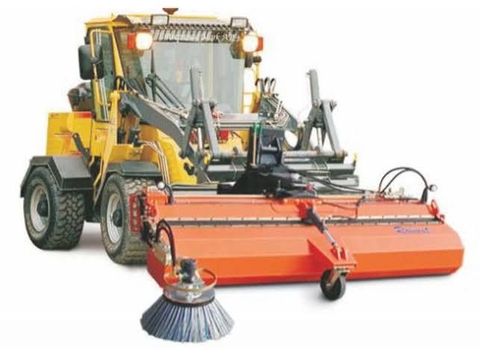
A hydraulic road sweeper is a mechanized cleaning machine designed to collect dust, sand, leaves, stones, and other loose material from roads and paved surfaces.
It uses hydraulic power to operate components such as rotating brushes, suction systems, conveyors, or collection mechanisms. These machines are used on urban roads, highways, industrial areas, construction zones, parking areas, and other paved locations.
Traditional road cleaning often relied heavily on manual sweeping. As road networks expanded and traffic increased, mechanized equipment became more important for handling larger areas. A hydraulic road sweeper combines a vehicle or carrier with a dedicated sweeping unit, allowing several cleaning functions to be performed through one mobile system.
The term hydraulic refers to the method used to transmit mechanical power. Hydraulic pumps move pressurized fluid through valves, motors, and cylinders. This pressure can rotate brushes, move collection components, adjust brush positions, and operate other machine functions.
Main components
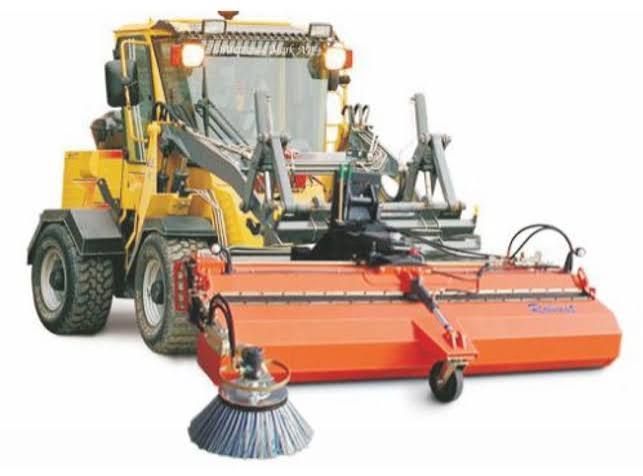
A typical hydraulic road sweeper contains several systems that work together. The carrier provides mobility, while the sweeping assembly performs the cleaning operation. Hydraulic components transfer power from the engine or another power source to the working mechanisms.
Common components include:
Hydraulic pump for generating fluid flow
Hydraulic motor for driving rotating equipment
Side and central brushes for gathering debris
Suction or collection mechanism
Hopper or storage container for collected material
Water tank and spray nozzles on some models
Hydraulic valves and cylinders
Filters and hydraulic reservoir
Control panel or operator controls
The exact arrangement varies according to machine design. Some sweepers are mounted on trucks, while others are compact units designed for narrower streets, industrial yards, or specialized paved areas.
How the sweeping process works
During operation, rotating brushes move loose material toward a collection point. Depending on the design, the material may then be lifted mechanically or drawn into a hopper through an air-assisted suction system.
Water spraying may be used to control airborne dust during sweeping. The collected material remains in a hopper until it is transported to an appropriate disposal or processing location.
Hydraulic systems allow the operator to control brush rotation and positioning. Hydraulic cylinders can also adjust the height or angle of certain components according to surface conditions.
Importance
Role in road and surface cleaning
Road surfaces accumulate material from traffic, weather, construction activity, vegetation, and normal pavement wear. Fine dust can become airborne when disturbed by vehicles, while larger debris can interfere with drainage, traffic movement, and routine pavement maintenance.
A hydraulic road sweeper provides a mechanical method for collecting this material. Its role is particularly relevant where large paved areas need to be cleaned within a planned operating period.
The equipment can be used in locations such as:
Municipal roads and urban streets
Highways and expressways
Industrial compounds
Airports and paved transport areas
Construction zones
Parking facilities
Warehouses and logistics yards
Bridges and paved public spaces
Hydraulic power and machine control
Hydraulic systems are useful because they can transfer substantial mechanical force through relatively compact components. A hydraulic motor can rotate a brush while hydraulic cylinders can position equipment precisely.
The operator can often adjust brush pressure, rotation, position, or other parameters according to the surface. Excessive brush pressure can increase wear, while insufficient contact may leave material behind.
Operating factors
Sweeping performance depends on more than the hydraulic system. Road condition, debris type, brush condition, machine speed, moisture, suction capacity, and hopper loading can all influence results.
| Operating factor | Possible effect |
|---|---|
| Vehicle speed | Influences contact time and collection behavior |
| Brush rotation | Affects movement of loose material |
| Brush pressure | Influences contact and brush wear |
| Water application | Can reduce airborne dust |
| Suction airflow | Supports collection of fine particles |
| Hopper loading | Influences available collection capacity |
| Surface condition | Changes how easily debris can be gathered |
These factors need to be considered together when operating the equipment.
Environmental and workplace considerations
Road sweepers can help collect accumulated material before it enters drainage channels or is redistributed by traffic and wind. Water systems can also reduce dust generated during mechanical sweeping.
However, the collected material still needs appropriate handling. Depending on its origin, it may contain soil, construction debris, organic material, or other contaminants. Disposal practices should therefore follow applicable local requirements.
Recent Updates
Electronic and hydraulic controls
From 2024 through 2026, road-sweeping equipment has continued to incorporate electronic monitoring and improved hydraulic controls. Digital interfaces can provide information about operating conditions, fluid levels, brush settings, engine parameters, and warning conditions.
Electronic control systems can also coordinate different hydraulic functions. This can make it easier to adjust brushes, water flow, and collection mechanisms while the machine is moving.
Dust management
Dust control remains an important area of development. Many modern sweepers incorporate water tanks and spray systems that wet the sweeping area or debris before it becomes airborne.
The amount of water required depends on surface conditions, weather, debris characteristics, and machine design. Excessive water can create its own operational problems, so controlled application is generally part of the system design.
Fuel and energy considerations
Manufacturers and equipment operators are also examining fuel consumption and energy use. Hydraulic efficiency can be influenced by pump design, fluid condition, operating pressure, and the way power is distributed to different components.
Some newer equipment incorporates electronically controlled engines, improved hydraulic circuits, or alternative power arrangements. Electrification is also being explored in certain compact municipal and industrial cleaning machines.
Monitoring and maintenance technology
Condition monitoring is becoming more common in mobile equipment. Sensors can track parameters such as hydraulic pressure, temperature, fluid levels, engine status, and component operation.
These systems can provide information for inspection and maintenance planning. However, electronic monitoring does not replace physical examination of brushes, hoses, filters, seals, tires, suction components, and other mechanical parts.
Laws or Policies
Road-cleaning requirements in India
In India, road sweeping activities can be influenced by municipal regulations, environmental requirements, workplace safety rules, vehicle regulations, and waste-management provisions. The exact requirements depend on the location, type of road, organization operating the equipment, and nature of the collected material.
Urban local bodies may establish procedures for street cleaning and handling of municipal waste. Environmental authorities can also regulate the handling, transportation, and disposal of collected material where it falls within applicable waste categories.
Vehicle and workplace requirements
A truck-mounted hydraulic road sweeper may be subject to applicable vehicle registration, roadworthiness, lighting, braking, and operating requirements. The specific requirements depend on how the equipment is classified and used.
Workplace safety is also relevant because sweepers contain rotating brushes, moving hydraulic components, pressurized fluid lines, electrical systems, and vehicle movement hazards. Operators generally need appropriate training and protective equipment for the operating environment.
Waste handling
Material collected from roads should not automatically be treated as ordinary waste. Construction areas, industrial locations, and contaminated sites can generate material with different characteristics.
Local rules may determine how collected material is stored, transported, processed, or disposed of. Documentation may also be required for certain waste streams.
Tools and Resources
Hydraulic pressure monitoring
Pressure gauges and electronic sensors can help operators and technicians observe hydraulic-system conditions. Comparing readings with equipment specifications can help identify unusual operating conditions.
Hydraulic temperature monitoring can also be useful because excessive heat can affect fluid properties and component performance. The appropriate operating range depends on the hydraulic system and fluid being used.
Brush inspection
Brushes are wear components and require regular inspection. Important checks can include brush bristle condition, mounting security, rotation, contact with the surface, and adjustment mechanisms.
Uneven brush wear can indicate incorrect adjustment or operating conditions. Replacement intervals vary according to material, surface type, operating hours, and machine design.
Useful technical resources
Information about hydraulic road sweepers can be found in several types of technical documents:
Equipment operating manuals
Hydraulic-system diagrams
Hydraulic-fluid technical data sheets
Road-cleaning specifications
Municipal waste-handling guidelines
Vehicle operating documentation
Workplace safety instructions
Preventive maintenance schedules
Manufacturers' technical manuals can explain hydraulic pressure ranges, fluid requirements, brush adjustment procedures, filter specifications, and inspection intervals for particular machines.
Basic productivity calculation
A simple way to estimate theoretical sweeping coverage is:
Sweeping coverage = Working width × Travel speed
Actual coverage will be lower or different when turning, stopping, overlapping passes, emptying the hopper, changing operating conditions, or dealing with heavily contaminated surfaces.
For example, a machine with a defined working width moving at a measured speed can be used to estimate the area covered over a particular period. Field measurements provide a more realistic understanding of actual productivity.
FAQs
What is a hydraulic road sweeper?
A hydraulic road sweeper is a mobile cleaning machine that uses hydraulic power to operate components such as rotating brushes, collection mechanisms, and positioning cylinders. It is used to gather loose material from paved surfaces.
How does a hydraulic road sweeper work?
The hydraulic system supplies power to rotating brushes and other working components. Brushes gather debris toward a collection area, where mechanical or suction-based equipment transfers the material into a hopper.
What are hydraulic road sweepers used for?
Hydraulic road sweepers are used on roads, highways, industrial compounds, construction areas, parking areas, airports, and other paved surfaces where dust and loose debris need to be collected.
How often should a hydraulic road sweeper be maintained?
Maintenance frequency depends on operating hours, surface conditions, hydraulic-system design, and manufacturer instructions. Routine checks commonly include hydraulic fluid, filters, hoses, brushes, suction components, water systems, tires, and safety controls.
Can a hydraulic road sweeper control dust?
Many hydraulic road sweepers incorporate water-spray systems that can suppress dust during sweeping. Their effectiveness depends on water application, weather, surface conditions, debris characteristics, brush operation, and the machine's collection system.
Conclusion
A hydraulic road sweeper combines a mobile carrier, hydraulic power system, brushes, collection equipment, and control mechanisms to remove loose material from paved surfaces. Its operation depends on factors such as brush adjustment, travel speed, hydraulic pressure, water application, debris type, and hopper capacity. Developments in electronic controls, dust management, hydraulic efficiency, and condition monitoring are influencing current equipment designs. Applicable vehicle, workplace, environmental, and waste-handling requirements also form an important part of operating these machines.