Industrial Fruit Peeling Machines: A Guide to Peeling Technology and Processing Efficiency
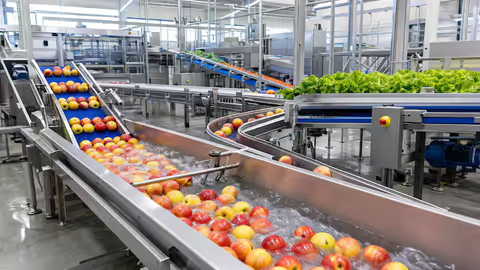
Industrial fruit peeling machines automate the removal of outer skins from fruits (and often vegetables) at high volumes while minimizing flesh loss, maintaining product quality, and meeting food safety standards.
These systems are critical in juice production, canning, freezing, fresh-cut, puree, snack, and ready-to-eat processing lines. Efficient peeling directly impacts yield, labor costs, hygiene, and overall line throughput.
Main Peeling Technologies
Industrial peelers use several core methods, each suited to different fruit characteristics (skin thickness, firmness, shape regularity, and sensitivity).
1. Knife (Blade) Peeling
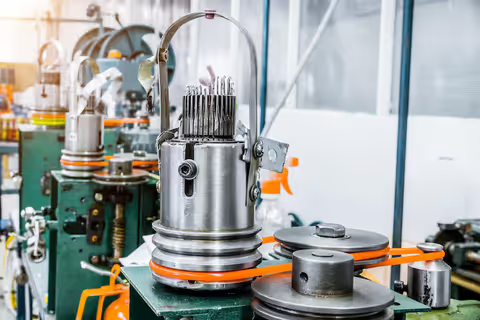
Mechanical blades follow the contour of the fruit, cutting away only the skin in a manner similar to hand peeling. Fruits are typically held on rotating spindles or fixtures while blades move along the surface.
- Advantages: High precision, low flesh waste (often minimal), excellent for irregular or high-value fruits, preserves shape and appearance.
- Best for: Apples, kiwis, citrus, mangoes, pineapples, peaches, and other specialty or delicate fruits.
- Capacity examples: Hundreds to over 1,000 fruits per hour depending on model and fruit type.
Modern versions feature adjustable blade pressure, contour-following mechanisms, and multi-station designs for continuous operation.
2. Abrasive Peeling
Produce tumbles in a rotating drum or against abrasive rollers/surfaces (carborundum, brushes, or textured liners). Friction removes the skin, which is flushed away with water.
- Advantages: Simple, relatively low capital cost, effective on tougher skins.
- Limitations: Higher product loss (can exceed 10–15%), water-intensive, less suitable for soft or irregular fruits.
- Best for: Root vegetables and some firmer fruits (potatoes, carrots, beets); less common as a primary method for premium fruit.
3. Steam Peeling
Fruit is exposed to high-pressure steam in a sealed vessel. Rapid pressure release loosens or bursts the skin, which is then removed by brushing, scrubbing, or rinsing.
- Advantages: High throughput, low flesh loss (often 1–10%), good hygiene (steam has a sterilizing effect), reduced chemical use. Continuous rotary systems can process several tons per hour.
- Limitations: Higher capital and energy costs; requires steam generation.
- Best for: Potatoes, tomatoes, apples, bananas, and other items where high volume and low waste are priorities.
4. Chemical (Lye) Peeling
Fruit is treated with a dilute caustic solution (sodium hydroxide) that softens or dissolves the skin, followed by rinsing and neutralization.
- Advantages: Effective on thin-skinned produce.
- Limitations: Environmental and wastewater concerns, chemical residues, declining use due to regulations and sustainability goals. Often replaced or combined with other methods.
5. Emerging / Novel Methods
Infrared heating, ohmic heating, ultrasound-assisted processes, and enzymatic peeling are gaining attention. These aim to reduce chemical use, water/energy consumption, and quality degradation while improving peelability. Infrared dry-peeling, for example, targets only the outer layer.
Key Factors Affecting Processing Efficiency
- Peel loss / yield — Knife and well-tuned steam systems typically achieve the lowest waste. Excessive pressure, incorrect temperature/time, or mismatched technology increases flesh loss.
- Throughput — Ranges from a few hundred fruits/hour (precision knife machines) to multi-ton/hour continuous systems (steam or abrasive). Matching capacity to upstream washing/sorting and downstream cutting/packaging is essential.
- Product quality — Uniform peeling depth, minimal bruising, retained firmness, and clean surface finish matter for fresh-cut or premium products.
- Hygiene and sanitation — Stainless-steel construction, easy-clean designs, and reduced human contact support food safety (HACCP, etc.).
- Versatility — Multi-fruit machines with adjustable blades, programmable settings, and quick-change tooling handle size and variety changes with less downtime.
- Water, energy, and waste — Steam and advanced systems often use less water than abrasive methods. Peel waste can sometimes be recovered for by-products.
- Labor and automation — Semi-automatic units need operators to load fruit; fully automatic lines integrate with conveyors, sensors, and PLC controls for continuous flow.
Machine Configurations
- Semi-automatic — Operator places fruit on spindles or fixtures; machine peels and ejects. Good for medium volumes or mixed products.
- Fully automatic / continuous — Integrated feeding, peeling, and discharge for high-volume lines.
- Specialty machines — Dedicated units for pineapple, mango (often combined with destoning), citrus, apples (peel + core + slice), or multi-fruit models.
Manufacturers include specialists such as Kronen, ASTRA, Sormac, ABL Cavezzo, Pelamatic, and various Chinese and European suppliers offering stainless-steel industrial equipment. Selection depends on primary fruit types, required capacity, quality targets, and integration needs.
Choosing and Optimizing a System
- Match technology to fruit characteristics (shape regularity, skin toughness, firmness).
- Prioritize yield and quality metrics for the end product (fresh vs. processed).
- Evaluate total cost of ownership: capital, energy, water, maintenance, labor, and waste disposal.
- Consider line integration (washing, sorting, cutting, packaging) and future flexibility.
- Test machines with actual product samples for peel quality and loss rates.
- Factor in hygiene design, ease of changeover, and after-sales support.
Industrial fruit peeling machines significantly outperform manual methods in speed, consistency, and yield while supporting modern food safety and sustainability requirements. Selecting the right peeling technology—knife for precision and appearance, steam for high-volume efficiency, or abrasive for simpler applications—and optimizing process parameters delivers higher throughput, lower waste, and better overall processing economics.

You May Also Like